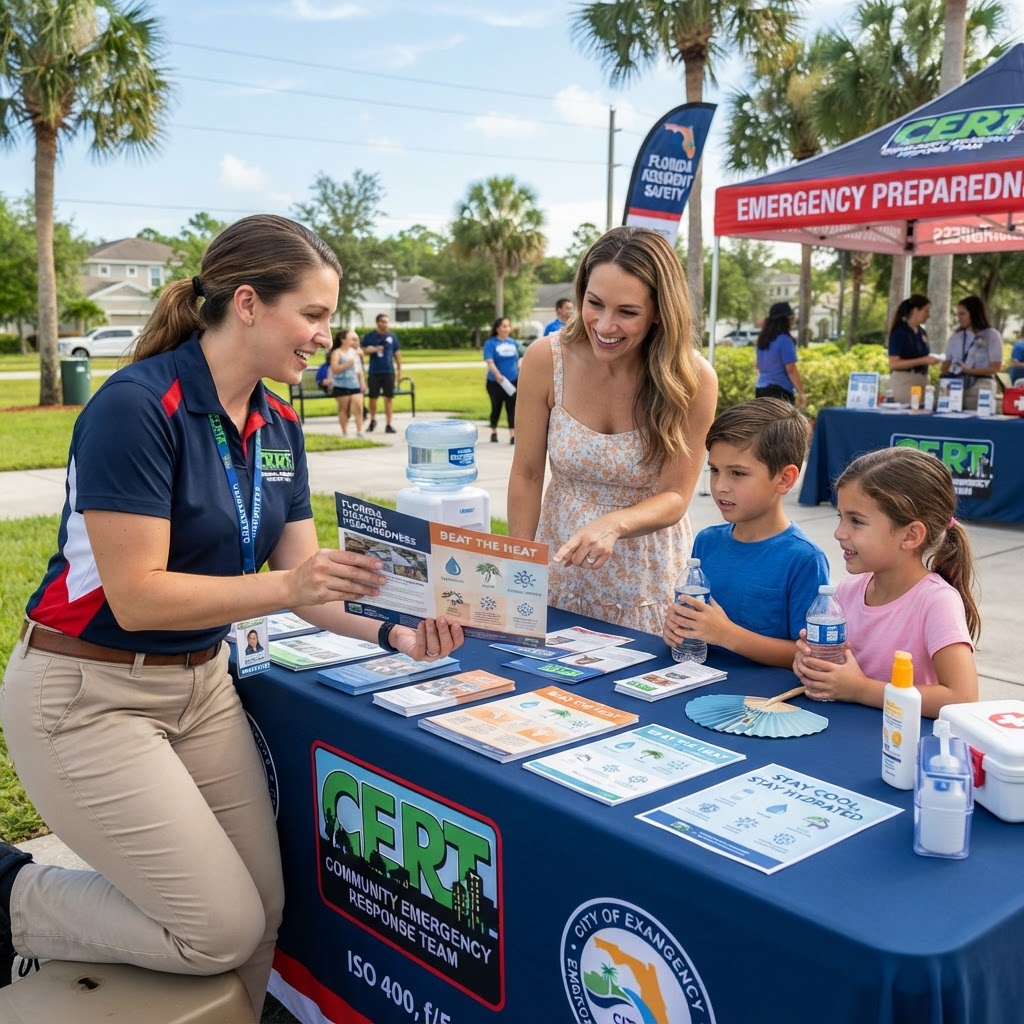
Florida summers bring intense heat that can be dangerous if not managed properly. Learn how to stay safe and keep your household protected.
As Floridians, we know that summer brings more than just beach days and sunshine; it brings significant heat indices that require respect and careful planning. Staying safe during the hottest months of the year is a fundamental aspect of Florida emergency preparedness. Understanding how to manage your environment and physical well-being can make all the difference in preventing heat-related incidents before they become medical concerns.
Understanding Your Vulnerability
The Florida humidity significantly impacts how our bodies regulate temperature. When the air is saturated with moisture, sweat does not evaporate efficiently, which can cause internal body temperatures to climb rapidly. Recognizing early signs of heat fatigue, such as dizziness, excessive thirst, or sudden weakness, is essential for every resident. By monitoring your environment and limiting strenuous activities during the peak hours of 10:00 AM to 4:00 PM, you significantly reduce your personal risk profile.
Creating a Cool Home Environment
Maintaining a safe indoor temperature is a key component of disaster readiness. During power fluctuations or extreme heat events, your home can quickly become an incubator. Ensure your cooling systems are serviced before the season begins and identify a cool room within your residence where the family can gather if air conditioning fails. Using blackout curtains during the day and maximizing natural ventilation during the cooler evening hours can help maintain a more comfortable, safer living space when the mercury rises.
Proper Hydration and Nutrition
Hydration is your first line of defense against the Florida sun. It is important to drink water consistently throughout the day, rather than waiting until you feel thirsty, which is often a sign that your body is already starting to struggle with fluid loss. Additionally, avoid heavy meals during the hottest parts of the day, as these require more metabolic energy to digest and can increase your core body temperature. Focus on light, water-rich foods like fruits and vegetables to support your system.
Establishing a Heat-Safety Routine
Implementing a routine for your family helps ensure that safety becomes a habit rather than an afterthought. If you have elderly neighbors or family members living alone, incorporate a wellness check into your daily schedule. A quick phone call or a brief visit to ensure they are cool and hydrated can be a life-saving action. By building these small, intentional habits, you contribute to a stronger, more resilient community that looks out for one another.
Practical Takeaways
- Hydrate proactively by drinking water throughout the day, not just when thirsty.
- Limit heavy outdoor physical activity to the early morning or late evening hours.
- Monitor elderly family members or neighbors who are at higher risk for heat exhaustion.
- Keep a supply of electrolyte-replenishing drinks and water in your emergency kit.
- Utilize light, loose-fitting clothing to help your body manage its own temperature.
Why This Matters to ERF
At Emergency Responders of Florida, our mission centers on the safety and well-being of our neighbors. While we are trained to respond to crises, our ultimate goal is to see fewer emergencies occur. By sharing these preparedness strategies, we aim to empower Floridians to take control of their environment, thereby reducing the strain on our healthcare systems and allowing our teams to remain focused on the most critical needs during larger disasters.
Stand Ready With ERF
Florida EMTs and Paramedics can submit a Disaster Reserve interest form to be considered for activation during major emergencies, with no regular hourly requirement.
ERF is not a 911 service. In an emergency, call 911.