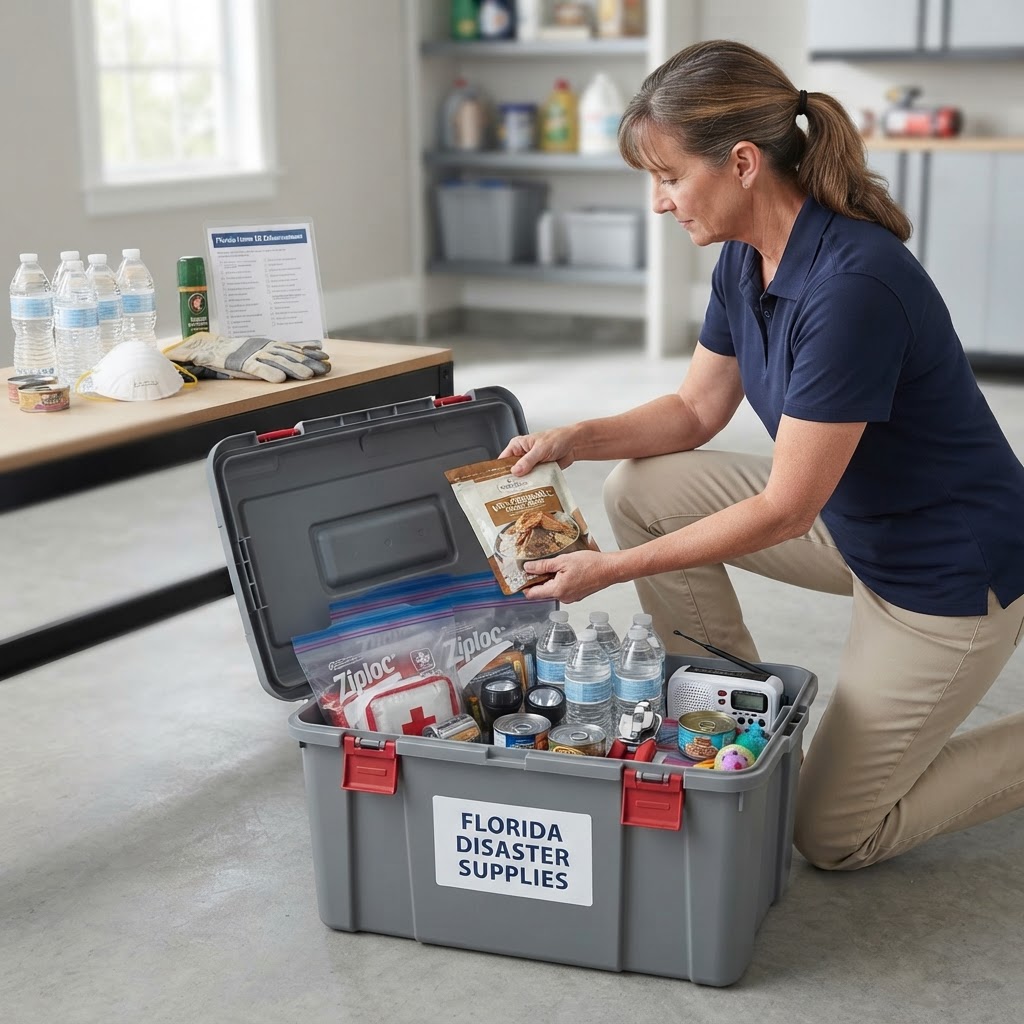
A well-stocked emergency kit is your first line of defense during a crisis. Discover how to customize your supplies to meet the unique challenges of the Florida climate.
As Florida residents, we understand that living in the Sunshine State comes with the inherent responsibility of being prepared for the unexpected. While many households have a basic flashlight and a few bottles of water stored in the garage, true disaster readiness requires a more strategic approach. An emergency kit should not be a static box tucked away in a closet, but a living resource that evolves to meet the specific environmental and logistical challenges we face throughout the year.
Customizing Your Water and Nutrition Needs
The standard recommendation of one gallon of water per person per day is a vital starting point, but it should be considered the minimum. In the Florida heat, your body requires more hydration to maintain core function, especially if power outages affect your air conditioning. When building your kit, consider storing a diverse range of non-perishable foods that require little to no water to prepare. Avoid salty snacks that increase thirst and focus on nutrient-dense options like canned protein, nut butters, and dried fruits. If you have infants, pets, or family members with specific dietary restrictions, ensure your inventory includes a dedicated supply that lasts for at least 72 hours.
Power Independence and Lighting Solutions
Florida weather events often bring prolonged power outages. While batteries are essential, they have a shelf life and can be bulky. Consider investing in high-quality solar-powered chargers for your mobile devices to ensure you can receive updates and maintain contact with loved ones. LED lanterns are far more efficient than incandescent options and offer safer, longer-lasting illumination for your home. If your kit includes items that require specific battery sizes, store extra sealed packs in a waterproof bag to prevent corrosion and ensure they are ready to use when the lights go out.
Document Security and Personal Records
One of the most frequently overlooked components of a home emergency kit is a physical file of critical documents. In the aftermath of a disaster, digital access may be unreliable. Keep copies of your insurance policies, medical records, identification, and property titles in a high-quality, fireproof, and waterproof document bag. Having these documents organized and portable can significantly reduce the stress of the recovery process, allowing you to focus on your family's safety rather than searching for misplaced paperwork.
Specialized Health and Hygiene Supplies
General first-aid kits are standard, but preparedness experts recommend supplementing these with a personalized health module. This includes a two-week supply of any prescription medications, a list of dosages, and copies of important medical contacts. Don't forget sanitation supplies like hand sanitizer, moist towelettes, and heavy-duty trash bags, which become essential for hygiene when plumbing or water services are interrupted. Maintaining a small supply of comfort items can also prove surprisingly beneficial for morale during a stressful period of sheltering in place.
Practical Takeaways
-
Audit your kit every six months to check expiration dates on food, water, and batteries.
-
Keep your emergency supplies in a durable, portable container that is easy to transport in the event of an evacuation order.
-
Create a "go-bag" for each family member containing a change of clothes, sturdy shoes, and essential personal hygiene items.
-
Store your kit in a cool, dry place that is easily accessible to all adults in your home, ensuring everyone knows where it is located.
Why This Matters to ERF
At Emergency Responders of Florida, we see firsthand the difference that individual preparation makes during a crisis. When families are self-sufficient during the initial hours of an emergency, it allows our responders to focus critical resources on those who are most vulnerable or facing life-threatening medical situations. Your personal preparedness is a cornerstone of community resilience and enables us to serve Florida more effectively when the call comes in.
Stand Ready With ERF
Florida EMTs and Paramedics can submit a Disaster Reserve interest form to be considered for activation during major emergencies, with no regular hourly requirement.
ERF is not a 911 service. In an emergency, call 911.