A well-prepared home is the first line of defense during a crisis. Learn how to build an effective emergency kit tailored for Florida living.
Living in Florida means navigating a variety of natural challenges, from tropical systems to severe weather events. While we often focus on the big-picture response, true resilience begins at home. By taking proactive steps to assemble a comprehensive emergency kit, you ensure your family is prepared to sustain themselves during the initial stages of a disruption, allowing professional responders to focus on the most critical needs in the community.
Assess Your Household Requirements
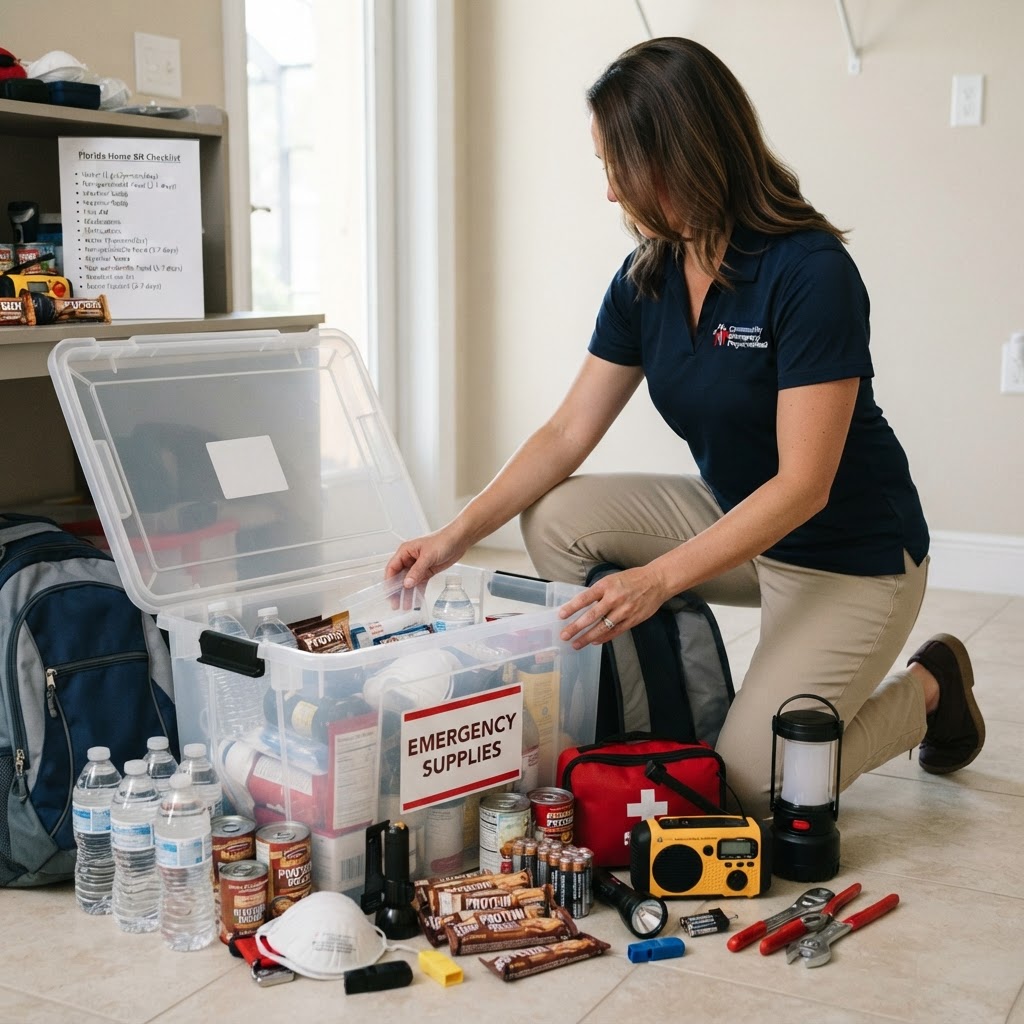
Every family is unique, and your emergency kit should reflect that. Start by taking inventory of your household's specific needs, including prescriptions, infant care items, pet supplies, and dietary requirements. A standardized list is a great starting point, but personalization is what makes your kit effective. Consider the specific members of your household and ensure you have at least a three to seven-day supply of essential items. By planning for your specific circumstances now, you reduce the stress of decision-making during a high-pressure situation.
The Essentials: Water and Nutrition
In many emergency scenarios, access to clean water and reliable nutrition can be interrupted. The gold standard for water storage is one gallon per person per day for drinking and sanitation. While this can seem daunting to store, modular water containers can be kept in a cool, dark place or in a garage. Pair your water supply with non-perishable food items that require little to no preparation. Opt for canned goods, protein bars, and dried fruit. Remember to include a manual can opener, as electricity-dependent appliances may not be functional during a power outage.
Power, Light, and Communication
When the grid goes down, your ability to stay informed and safe depends on your battery-powered or hand-crank resources. Keep a reliable flashlight for every family member and ensure you have a surplus of batteries in various sizes. A NOAA weather radio is an invaluable tool for receiving updates if cell towers are compromised. Additionally, having a portable power bank for mobile devices ensures you can maintain communication with family and monitor official channels. Keep these items organized in a central, accessible location that every member of the household can easily reach.
Documentation and Personal Records
Disaster recovery is significantly easier when you have your essential documents protected. Create a waterproof folder containing copies of insurance policies, identification, medical records, and important contact lists. In an emergency, having physical copies of these items can save hours of frustration. Consider keeping a small amount of cash in small denominations as well, as digital payment systems often rely on electrical and internet infrastructure that may be temporarily unavailable.
Practical Takeaways
- Store at least one gallon of water per person per day for at least three days.
- Include a manual can opener and shelf-stable, high-energy foods in your kit.
- Keep a battery-powered radio and a designated stash of batteries in an accessible area.
- Maintain a waterproof folder with copies of essential identification and insurance documents.
- Review and rotate your supplies every six months to check expiration dates and functionality.
Why This Matters to ERF
At Emergency Responders of Florida, we see firsthand how household preparedness changes the outcome of an emergency. When residents have their own needs covered, it creates a safer environment for everyone and allows our teams to prioritize reaching those who are most vulnerable or in immediate distress. Your preparedness is a vital component of the community's overall disaster readiness.
Stand Ready With ERF
Florida EMTs and Paramedics can submit a Disaster Reserve interest form to be considered for activation during major emergencies, with no regular hourly requirement.
ERF is not a 911 service. In an emergency, call 911.