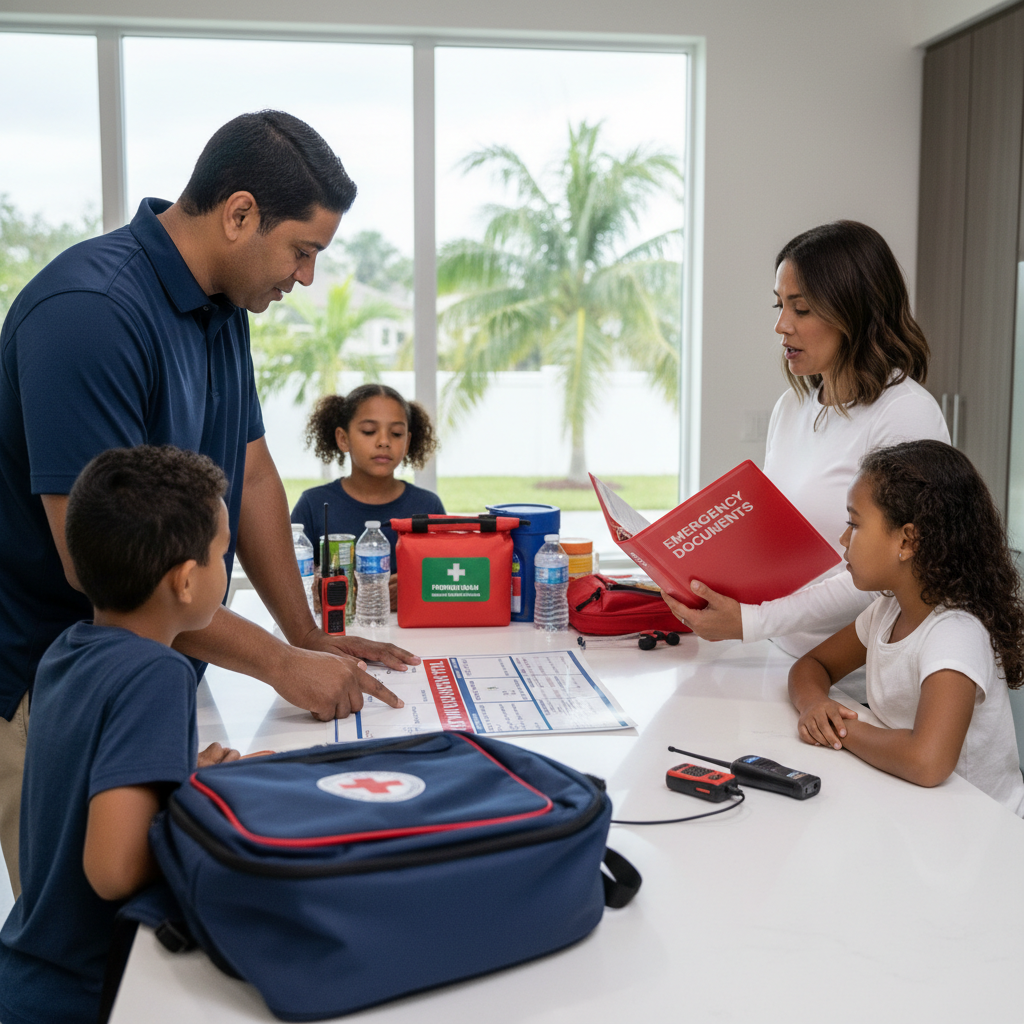
Establishing a family communication plan is vital for ensuring everyone stays connected during disasters. Here’s how to prepare.
In Florida, the unpredictable nature of weather events, such as hurricanes and tropical storms, makes it critical for families to be prepared for emergencies. One of the most important factors in ensuring safety during a disaster is an effective family communication plan. When disaster strikes, maintaining contact with loved ones can make all the difference. Here’s how to create a robust communication strategy that works for all family members.
Understanding the Importance of Communication Plans
During emergencies, communication may be disrupted due to power outages, network congestion, or environmental conditions. This uncertainty underscores the necessity of having a pre-established plan that outlines how family members will connect in various scenarios. An effective plan helps mitigate panic, ensures everyone knows what to do, and clarifies where to meet.
Steps to Establish Your Family Communication Plan
-
Create a Contact List
Compile a list of essential contacts, including family members, neighbors, and friends outside the immediate area. Ensure each member has a printed copy, as mobile networks may be unreliable. -
Establish Meeting Points
Designate both primary and secondary meeting locations. The primary location should be close to home, while the secondary location should be a safe distance away. Be sure everyone understands these locations. -
Choose Communication Methods
Decide on communication methods best suited for different emergency scenarios. Short messages via text can be more reliable than phone calls during heavy network traffic. Consider using apps that work offline once a connection is restored. -
Regularly Review and Practice
Schedule time to review the communication plan with your family and conduct practice drills. These drills can help everyone become familiar with the plan and adapt to any changes in circumstances or technology. -
Prepare for Specific Scenarios
Tailor your plan to address specific scenarios, including hurricanes, floods, or other natural disasters common in Florida. Each emergency may require a different response, so think through potential challenges and solutions with your family.
Tips for Keeping Your Plan Effective
- Be Flexible: Understand that plans may need to be adjusted based on changing situations or family dynamics. Keep the plan updated regularly.
- Utilize Technology Wisely: Make use of apps designed for emergency preparedness, such as those for locating family members or sharing critical information quickly.
- Educate Young Family Members: Ensure that children understand the basics of the plan and know how to communicate with adults in an emergency.
Resources for Your Communication Plan
Leverage community resources and local agencies, like the Florida Department of Health and Emergency Responders of Florida, for additional guidance on creating a robust communication strategy. Utilizing local emergency management resources ensures that your plan aligns with best practices in disaster preparedness.
Practical Takeaways
- Draft a contact list for all family members and essential contacts.
- Designate meeting points for emergencies.
- Use text messaging over calls when networks are crowded.
- Regularly practice your plan to ensure family readiness.
Why This Matters to ERF
At Emergency Responders of Florida, we believe that community preparedness is the cornerstone of effective emergency response. By ensuring families understand how to communicate during crises, we foster resilience and collectively enhance our capability to support those in need.
Stand Ready With ERF
Florida EMTs and Paramedics can submit a Disaster Reserve interest form to be considered for activation during major emergencies, with no regular hourly requirement.
ERF is not a 911 service. In an emergency, call 911.