When disaster strikes, mobile networks can become overwhelmed. Discover how to create a robust family communication plan to ensure your loved ones remain connected when it matters most.
Living in Florida means being prepared for a variety of emergency scenarios, from severe weather events to unexpected infrastructure disruptions. While many residents focus on stocking up on water, non-perishable food, and batteries, there is one critical aspect of disaster readiness that is often overlooked: your communication strategy. When the power goes out and cellular networks become saturated, knowing how to reach your family members can make a world of difference.
The Reality of Communication During Disasters
During significant emergencies, cellular towers often become congested as millions of people attempt to contact one another simultaneously. Text messages, which require significantly less bandwidth than voice calls, are much more likely to transmit during periods of network instability. Relying solely on a smartphone for coordination can be a significant point of failure if you haven't established a secondary plan that accounts for limited connectivity or battery depletion.
Establishing an Out-of-Area Contact
One of the most effective strategies for any Florida household is to designate an out-of-area contact person. During a regional event, such as a major hurricane, it may be easier to make a long-distance call than a local one because the call is routed through different infrastructure. By establishing a single contact person outside of Florida, your family members can all check in with that individual to share their location and status. This provides a central hub of information, preventing the confusion that occurs when trying to coordinate via multiple disparate channels.
Planning for Rendezvous Points
If you are separated from your family members when an emergency occurs, you must have a pre-agreed plan for where you will meet. It is wise to designate two specific locations: one within your immediate neighborhood and one outside of your immediate community, in case of a wide-reaching event that requires evacuation or prevents access to your primary home zone. Ensure that every member of the household, including children, understands where these meeting spots are located and how to get there safely.
Creating a Physical Emergency Wallet Card
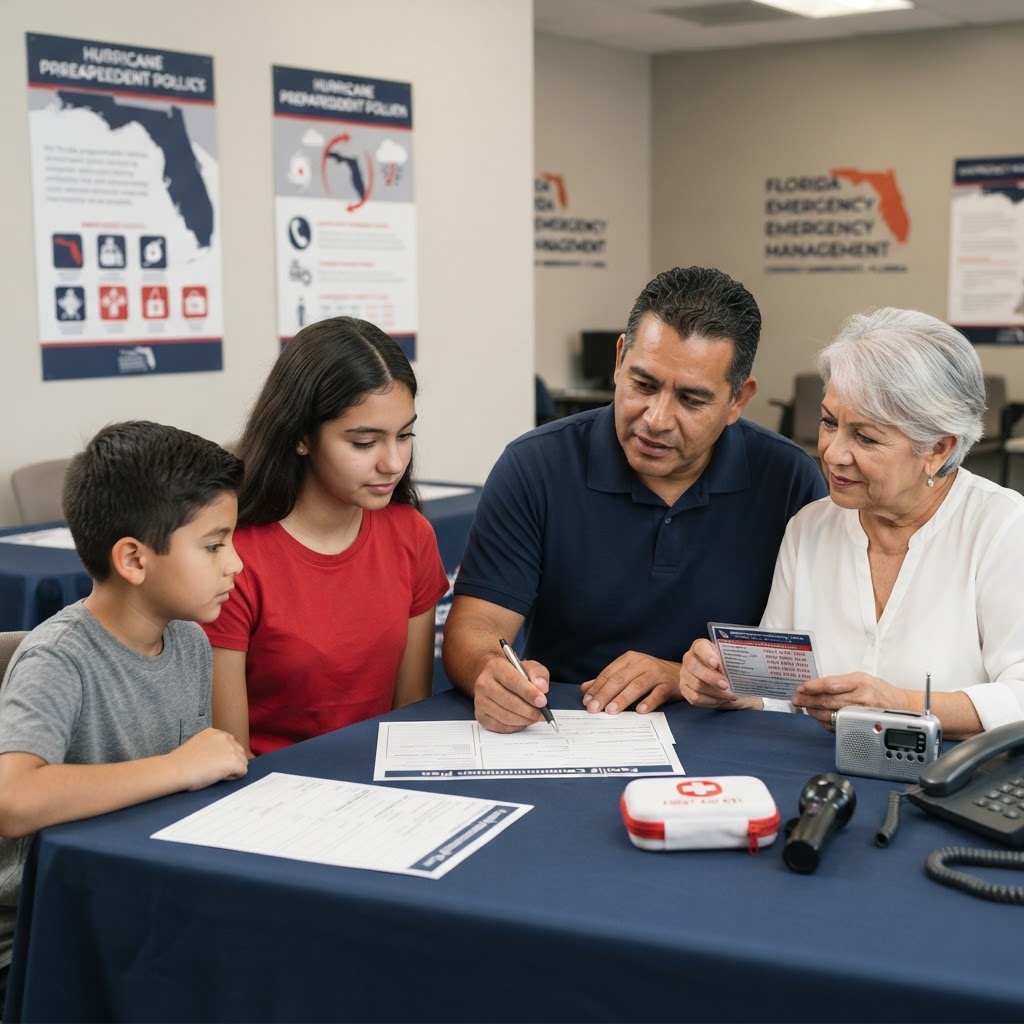
Digital files are excellent, but they are only useful if your device remains powered on and functional. Create a physical card for every member of your family to keep in their wallet, backpack, or purse. This card should include the names and telephone numbers of your out-of-area contact, local emergency contacts, and the addresses of your designated rendezvous points. If someone is separated from the group and their phone is dead, they will still have the vital information needed to reach safety.
Practical Takeaways
- Designate an out-of-area contact person who lives in a different state to act as a communication hub for your family.
- Practice your communication plan twice a year to ensure every family member knows the protocol.
- Keep a physical copy of emergency contacts in wallets or backpacks, rather than relying exclusively on digital devices.
- Agree on a specific meeting location in your neighborhood and a secondary location outside of your immediate area.
Why This Matters to ERF
At Emergency Responders of Florida, we see firsthand how effective communication—or the lack thereof—impacts emergency response. When families are prepared and have established clear, simple plans, it reduces the chaos during high-stress situations. This allows our personnel to focus their efforts on those with the greatest medical needs, as families who are connected and self-reliant are better positioned to navigate the early stages of a disaster safely.
Stand Ready With ERF
Florida EMTs and Paramedics can submit a Disaster Reserve interest form to be considered for activation during major emergencies, with no regular hourly requirement.
ERF is not a 911 service. In an emergency, call 911.