When disaster strikes, mobile networks can become overwhelmed. Learn how to establish a resilient family communication plan to ensure your loved ones stay connected.
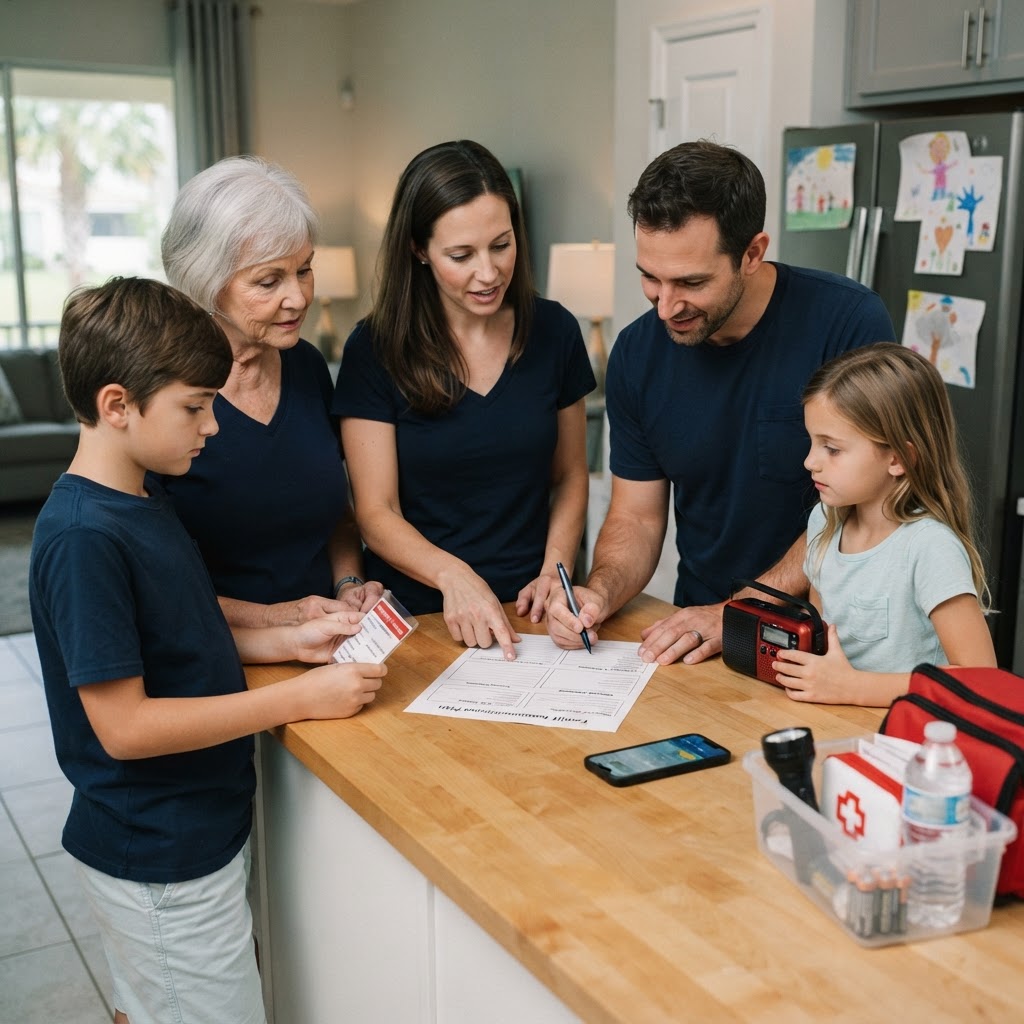
Living in Florida means embracing a lifestyle shaped by our beautiful environment, but it also requires a proactive approach to emergency preparedness. While we often focus on physical supplies like water and batteries, one of the most critical components of your disaster readiness strategy is often overlooked: your communication plan. In the heat of an emergency, cellular networks may experience significant congestion or intermittent outages. Knowing exactly how to reach your family members when standard lines of communication fail provides peace of mind and clarity during chaotic situations. Establishing a reliable plan today is a simple yet vital step in safeguarding your household against the uncertainties of a disaster. ## Identify an Out-of-Area Contact In many emergency scenarios, local phone lines become saturated, making local calls nearly impossible. However, long-distance lines often remain clearer because they do not rely on the same local infrastructure. Designate a relative or friend who lives outside of Florida as your primary point of contact. Instruct every family member to call or text this individual if they are separated from the rest of the household. By funneling all updates through a single point of contact, you ensure that everyone has a centralized location to gather information about the whereabouts and status of their loved ones. ## Establish Designated Meeting Points Emergencies rarely happen when everyone is gathered at the dinner table. Family members may be at school, work, or running errands when an incident occurs. Define two clear meeting locations: one just outside your home for immediate hazards like fire, and one outside your neighborhood for larger-scale evacuations. Ensure that every member of the family, including children, understands the location and how to get there safely. Having a pre-planned location removes the guesswork and prevents family members from searching for one another in potentially dangerous environments. ## Create Wallet Cards and Digital Backups In the modern age, we rely heavily on the contacts list stored in our smartphones. However, if your phone runs out of battery or is damaged, you might lose access to critical information. Create physical 'In Case of Emergency' (ICE) cards for every family member to carry in their wallet or backpack. These cards should include the phone numbers for your out-of-area contact, local emergency services, and designated meeting points. For digital redundancy, consider saving a copy of this contact list in a password-protected cloud account that can be accessed from any device, or take a screenshot and set it as your lock screen wallpaper during a declared emergency. ## Practice the Plan Just as schools perform fire drills, families should treat their communication plan as a living document. Once a year, review the plan with your family to ensure that phone numbers are updated and meeting points are still accessible. Walk through the steps together to make sure that children and adults alike know exactly what to do when they hear the alert. Regular practice transforms a complex emergency procedure into a routine action that your family can execute calmly and effectively under pressure. ### Practical Takeaways: * Designate one out-of-state contact person for all family members to call. * Select two meeting locations: one near the home and one outside the neighborhood. * Write down emergency contacts on physical cards for wallets or backpacks. * Test your communication plan during a household drill at least once per year. ### Why This Matters to ERF As a Florida Department of Health Licensed ALS EMS Agency, ERF members see firsthand how effective communication—or the lack thereof—impacts emergency outcomes. When families have a plan in place, they are more resilient, which allows our responders and other emergency personnel to focus resources where they are most needed. By taking the time to prepare your own household, you are actively supporting the broader emergency response network across Florida. ### Stand Ready With ERF Florida EMTs and Paramedics can submit a Disaster Reserve interest form to be considered for activation during major emergencies, with no regular hourly requirement. ERF is not a 911 service. In an emergency, call 911.