Be ready for the next hurricane season with these essential preparedness tips to keep your family safe.
Understanding Florida's Hurricane Season
Hurricane season in Florida spans from June 1 to November 30, with the potential for severe storms impacting communities along the coast and inland areas alike. While the threat may seem daunting, being prepared in advance can significantly mitigate risks to life and property. Emergency Responders of Florida (ERF) emphasizes proactive planning so that you and your family can weather any storm.
Create a Hurricane Preparedness Plan
Every household should have a comprehensive hurricane preparedness plan to ensure safety during these unpredictable events. Here are some key components:
- Evacuation Routes: Familiarize yourself with local evacuation routes and identify two ways to leave your area. Keep these routes in mind as conditions can change rapidly.
- Emergency Contacts: List important phone numbers including family members, trusted friends, and local emergency services. Ensure everyone in your household knows how to reach each person.
- Safe Locations: Identify a safe place within your home (preferably a windowless room) where your family can gather during a hurricane, along with an alternative location outside your area for potential evacuation.
Assemble and Maintain an Emergency Kit
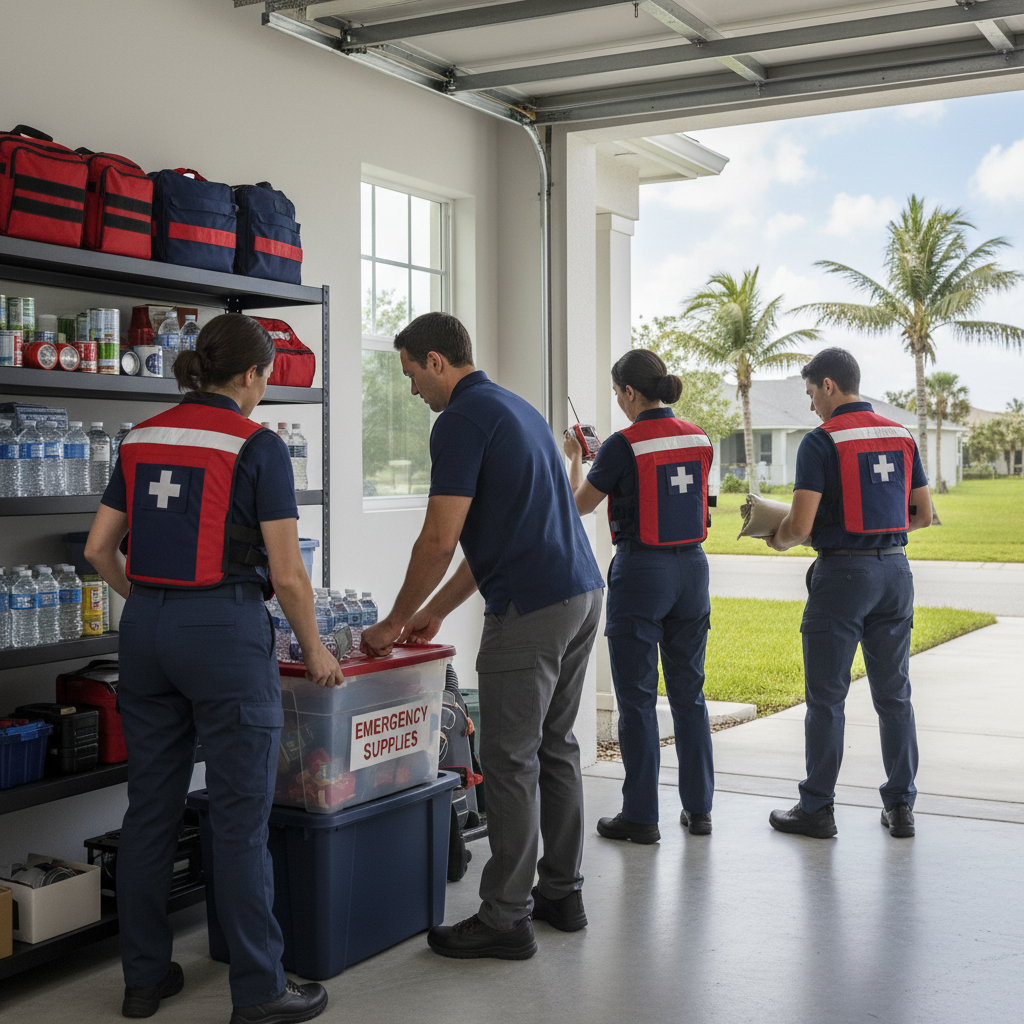
A well-stocked emergency kit can make a huge difference in maintaining comfort and safety during and after a hurricane. Consider including the following:
- Non-perishable food and water for at least three days.
- A first aid kit tailored to your family's needs.
- Flashlights, batteries, and a battery-powered or hand-crank radio.
- Important documents (IDs, insurance papers) stored in a waterproof container.
Stay Informed
Knowledge is your best defense. Stay updated on the latest weather reports through reliable sources: local news stations, the National Hurricane Center, or weather apps. Having a NOAA Weather Radio can also provide timely updates and warnings even during power outages.
Prepare Your Home
Taking proactive measures to safeguard your home can reduce damage from hurricane winds and water:
- Secure Windows and Doors: Invest in storm shutters, or board up windows with plywood to prevent shattering.
- Trim Trees: Maintain your yard by trimming back trees and removing any dead branches that could become projectiles.
- Secure Outdoor Items: Bring in or secure any loose items like patio furniture, grills, and decorations that could be blown away by strong winds.
Prepare for Evacuations
Sometimes, staying at home isn't safe or possible. Although you may not plan to evacuate, it’s vital to be ready just in case:
- Know Your Evacuation Zones: Check with local emergency management for guidelines on your area’s flood zones and ever-changing evacuation plans.
- Travel Preparedness: Keep your vehicle's fuel tank full and maintain an emergency kit inside your vehicle, including food, water, and first-aid supplies, for possible evacuations.
Practical Takeaways
- Create and practice a hurricane preparedness plan with your family.
- Assemble and regularly update a comprehensive emergency kit.
- Stay informed through reliable sources and weather alerts.
- Secure your home and outdoor items to minimize damage.
- Be ready for possible evacuation at a moment's notice.
Why This Matters to ERF
At Emergency Responders of Florida, our mission centers on empowering communities through education and preparedness. Each resident taking proactive steps enhances overall community resilience during emergencies. By implementing these hurricane preparedness steps, you not only safeguard your family but also contribute to a coordinated and effective community response in crisis situations.
Stand Ready With ERF
Florida EMTs and Paramedics can submit a Disaster Reserve interest form to be considered for activation during major emergencies, with no regular hourly requirement.
ERF is not a 911 service. In an emergency, call 911.