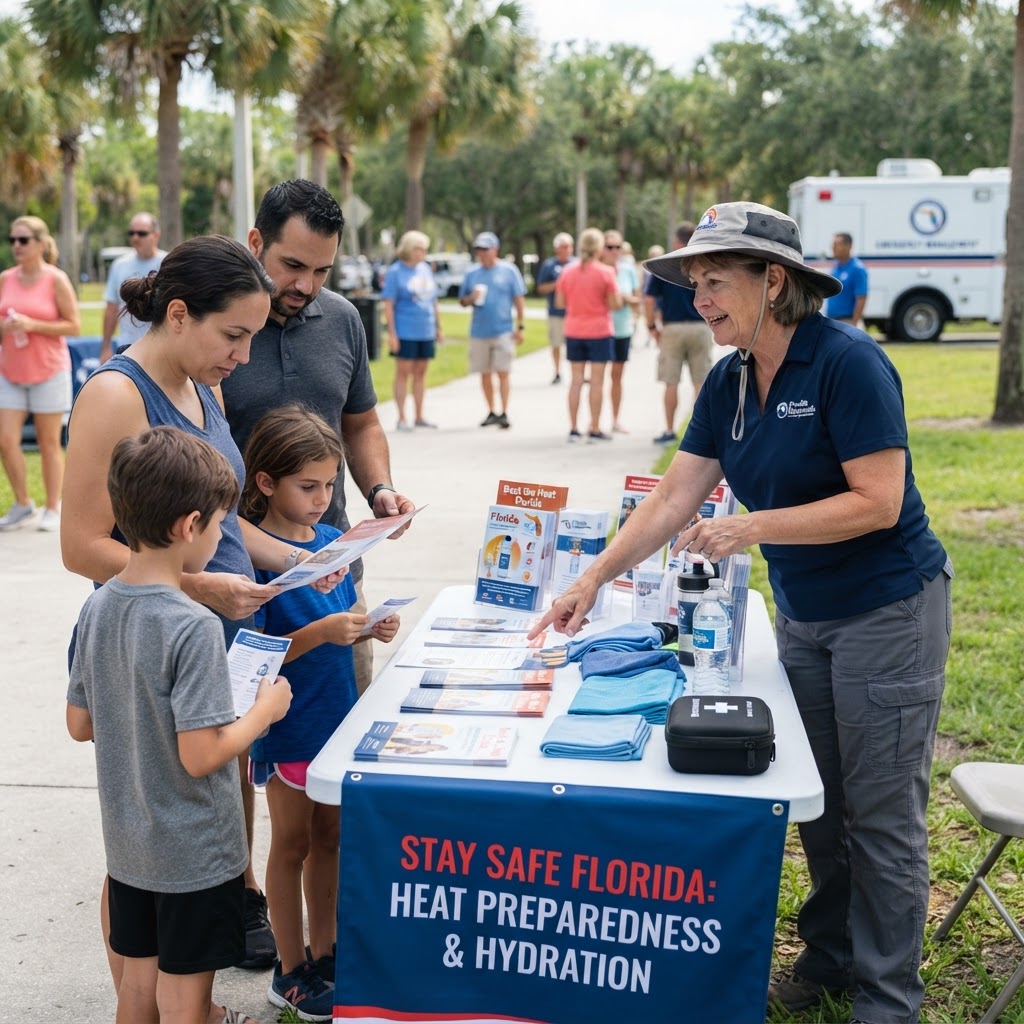
Florida summers bring intense heat that requires proactive planning to stay safe. Learn essential strategies to protect your family from heat-related illnesses.
Florida summers are synonymous with sunshine, beach days, and outdoor activities, but they also bring extreme heat that can pose significant health risks. For residents and visitors alike, understanding how to manage these temperatures is a cornerstone of personal emergency preparedness. As a community, our resilience is built on individual awareness and the simple, proactive steps we take before the mercury climbs too high.
Understanding Heat-Related Risks
The human body works hard to cool itself through sweating and increased blood flow to the skin, but high humidity—a staple of the Florida climate—often makes this process ineffective. When the air is saturated with moisture, sweat cannot evaporate, causing body temperatures to rise quickly. Being able to recognize the early warning signs of heat exhaustion, such as dizziness, heavy sweating, and rapid pulse, is vital. If these symptoms are ignored, they can progress to heat stroke, a life-threatening medical emergency. Recognizing these signs early allows you to seek a cooler environment and hydration before the situation escalates.
The Foundation of Hydration
Hydration is not just about drinking water when you feel thirsty; it is a continuous process during the summer months. By the time you feel the sensation of thirst, your body is often already beginning to experience the early effects of dehydration. Incorporating consistent water intake throughout the day is the best defense against heat-related illness. For those working or playing outdoors, it is recommended to drink water at regular intervals, regardless of whether you feel thirsty. Avoid excessive caffeine or sugary drinks, as these can contribute to fluid loss rather than hydration.
Strategic Scheduling for Outdoor Activities
One of the most effective ways to manage heat exposure is to adjust your daily schedule to avoid the peak intensity of the sun. The hours between 10:00 a.m. and 4:00 p.m. typically see the highest temperatures and the most direct UV radiation. If you must be outside, try to limit strenuous tasks to the early morning or late evening hours. If you are participating in sports or yard work, take frequent, scheduled breaks in shaded or air-conditioned areas. Giving your body time to recover and lower its core temperature is critical to sustained endurance.
Creating Cool Spaces at Home
Not every household has perfect climate control, and preparing your living space for extreme heat can prevent indoor heat buildup. Utilize window coverings, such as blackout curtains or blinds, to block direct sunlight during the day. If your home lacks central air conditioning, identify a 'cool zone' where you can retreat. Fans can assist in air circulation, but remember that in extremely high temperatures, fans alone may not be enough to prevent heat-related illness. Understanding how to manage your home environment ensures you have a safe sanctuary when the heat becomes excessive.
Practical Takeaways
- Pre-hydrate: Drink water steadily throughout the day before heading outdoors.
- Monitor the clock: Shift strenuous outdoor chores to the early morning or evening hours to avoid peak heat.
- Know the symptoms: Learn to identify signs of heat exhaustion, such as nausea and lightheadedness, and act immediately.
- Identify cooling centers: Know where public, air-conditioned spaces are located in your community if your home cooling system fails.
- Check on neighbors: Keep an eye on elderly neighbors or those living alone who may be more susceptible to high temperatures.
Why This Matters to ERF
At Emergency Responders of Florida, we see firsthand how environmental factors like extreme heat can strain the health of our community. When residents take proactive steps to remain safe and hydrated, it reduces the burden on local emergency systems during peak summer months. Our mission is to foster a culture of readiness, ensuring that when emergencies do occur, our communities are resilient and our volunteers are prepared to support the broader medical infrastructure.
Stand Ready With ERF
Florida EMTs and Paramedics can submit a Disaster Reserve interest form to be considered for activation during major emergencies, with no regular hourly requirement.
ERF is not a 911 service. In an emergency, call 911.