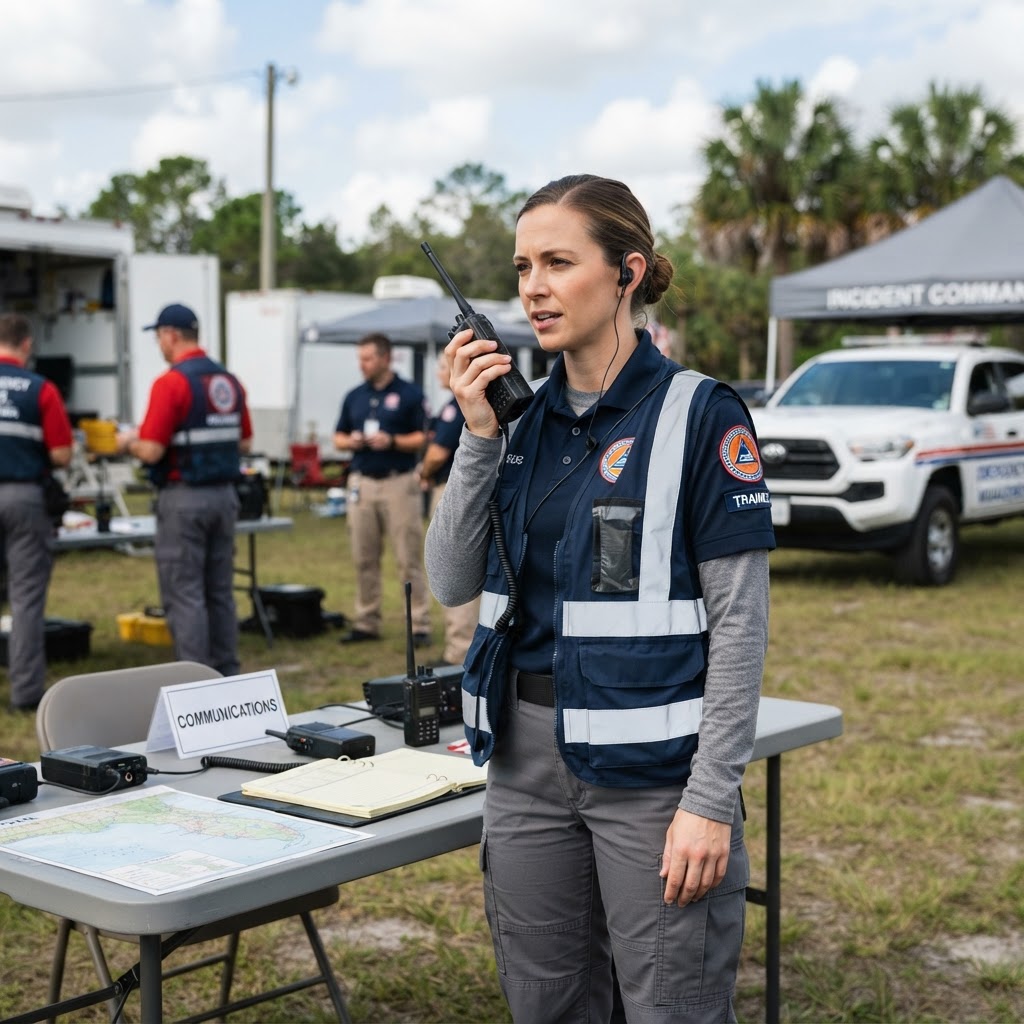
Clear, concise communication is the lifeline of any emergency operation. Discover how to sharpen your radio discipline to ensure mission success during deployments.
In the fast-paced environment of emergency response, clear communication is just as vital as clinical skills. Whether we are operating in the aftermath of a hurricane or supporting a multi-agency search and rescue mission, the ability to relay information accurately and efficiently through radio channels is a fundamental skill. For Florida emergency responders, mastering radio discipline is not just about equipment maintenance; it is about ensuring that critical information reaches the right people at the right time without adding to the noise of a chaotic environment.
The Foundation of Brevity and Clarity
When seconds count, brevity is your greatest asset. Radio discipline starts with the principle of 'think before you speak.' Before keying your microphone, take a split second to organize your thoughts into a concise message. Avoid conversational filler, excessive pleasantries, or rambling descriptions. By keeping transmissions short, you ensure that the frequency remains clear for other responders who may have urgent traffic, such as requesting additional resources or updating an incident commander on a scene safety concern.
Utilizing Standardized Terminology
Using plain language is the modern standard for effective disaster response. In a multi-agency environment, jargon and department-specific codes can lead to confusion and dangerous delays. ERF responders are encouraged to use standardized, plain-language terminology that can be understood by personnel from any agency or jurisdiction. When you speak in clear, descriptive terms, you minimize the risk of misinterpretation, which is essential when coordinating care or moving assets across varying locations in Florida’s diverse terrain.
Maintaining Channel Discipline
Proper channel discipline involves more than just speaking clearly; it requires active listening. Before transmitting, always listen to ensure you are not interrupting an existing exchange. If a channel is busy, wait for a natural pause or a clear break before keying your mic. Additionally, always identify yourself and the unit you are calling, and wait for confirmation before proceeding with your message. This 'call-and-respond' loop creates a reliable verification process that keeps everyone on the same page.
Managing Stress Through Controlled Communication
High-stress environments naturally lead to an increase in speech rate and volume. One of the most important aspects of radio discipline is the conscious effort to control your own voice. By maintaining a calm, steady cadence, you not only improve the clarity of your transmission but also project confidence to your team. A composed voice helps stabilize the morale of the entire group, serving as a reminder that the situation is under control and that procedures are being followed.
Practical Takeaways:
- Think before you key the mic: Organize your message to keep transmissions under 10 seconds.
- Use plain language: Replace 10-codes or local jargon with clear, descriptive terms that any agency can understand.
- Practice the call-and-respond protocol: Identify your unit, wait for a reply, and then deliver your core message.
- Stay calm: Maintain a steady, measured pace to ensure your voice remains clear even during intense operations.
Why This Matters to ERF
As a volunteer agency serving Florida since 2008, ERF operates in complex, multi-agency environments. We work alongside local fire, EMS, and law enforcement partners to support our communities. Our ability to integrate seamlessly into these operations depends on our volunteers being highly disciplined communicators. When you commit to professional radio habits, you protect the integrity of the scene and enhance the collective safety of every responder involved. Stand Ready With ERF Florida EMTs and Paramedics can submit a Disaster Reserve interest form to be considered for activation during major emergencies, with no regular hourly requirement.
ERF is not a 911 service. In an emergency, call 911.