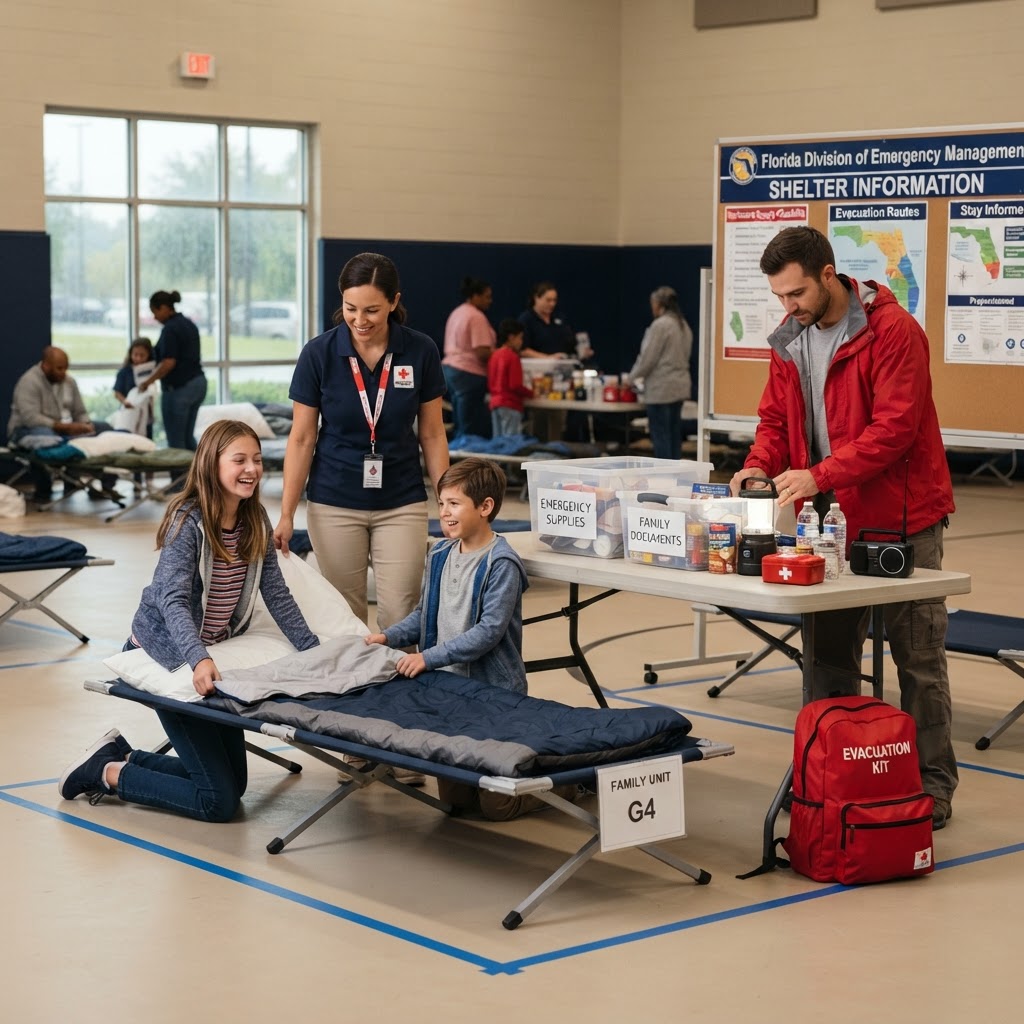
Learn how to effectively plan for home sheltering or timely evacuations, ensuring your family stays safe when disaster strikes in Florida.
Living in Florida means respecting the power of our environment. Whether we face hurricanes, flooding, or other large-scale disruptions, the ability to make split-second decisions regarding your safety is paramount. Preparing for these moments doesn't happen during a crisis; it happens long before the skies turn gray. By establishing clear plans for either sheltering in place or evacuating, you shift from a reactive state to a proactive stance, significantly reducing the stress on your family and allowing local resources to focus on those with the highest medical needs.
Understanding Your Risk Zone
The first step in effective evacuation planning is knowing your geography. Florida residents should consult their county's emergency management portal to determine if they live in an evacuation zone. These zones are determined by potential storm surge impact, not just wind intensity. Understanding your specific zone allows you to follow official directives precisely when they are issued. If you are not in an evacuation zone and your home is structurally sound, sheltering in place may be the safest option, provided you have the necessary supplies to be self-sufficient for at least 72 to 96 hours.
The Decision-Making Framework
One of the most common challenges during a disaster is the uncertainty of when to leave. It is vital to establish "triggers" for your family. These could be based on specific local government mandates, the age or health condition of household members, or the physical integrity of your residence. Once a trigger is met, avoid the temptation to wait for more information. Being proactive means leaving early enough to avoid gridlock on major Florida corridors, which keeps the roads clearer for emergency vehicles and essential personnel moving into the impacted areas.
Essential "Go-Bag" Readiness
Whether you are evacuating to a shelter or a relative's home, your "go-bag" is your lifeline. This should be a portable kit containing copies of important documents, medications, chargers, a flashlight, non-perishable food, and enough water for the transit period. Do not wait to assemble these items. Keep them in a waterproof container near your primary exit. If you have pets, ensure their needs are included in your evacuation plan, as not all shelters accept animals, and identifying pet-friendly hotels or staging areas ahead of time is critical.
Sustaining Your Shelter-In-Place Setup
If you choose or are instructed to shelter at home, your focus must be on sustainability. This includes securing your property, preparing for potential power outages, and managing water consumption. Ensure your windows are protected, your yard is cleared of potential debris, and your communication devices are fully charged. The goal is to remain inside until authorities confirm that the environment is safe, avoiding the common pitfalls of stepping out too early when downed power lines or hidden flood hazards may still be present.
Practical Takeaways
- Identify your county evacuation zone and keep a map of routes saved offline.
- Create a "go-bag" that is accessible and includes copies of essential documents and prescriptions.
- Determine your family's evacuation triggers well before the season begins.
- If staying home, test your light and communication sources to ensure they are functional.
Why This Matters to ERF
At Emergency Responders of Florida, our mission is built upon professional, organized service. When residents have clear, actionable evacuation and shelter plans, it prevents confusion and reduces the total number of individuals who find themselves in precarious, life-threatening situations. A prepared public allows our volunteer EMS teams to navigate the aftermath of an event more efficiently, ensuring that help reaches the people who need it most, when they need it most.
Stand Ready With ERF
Florida EMTs and Paramedics can submit a Disaster Reserve interest form to be considered for activation during major emergencies, with no regular hourly requirement.
ERF is not a 911 service. In an emergency, call 911.