Effective disaster response relies on knowing exactly who is on your team and where they are at all times. Learn how accountability keeps responders safe.
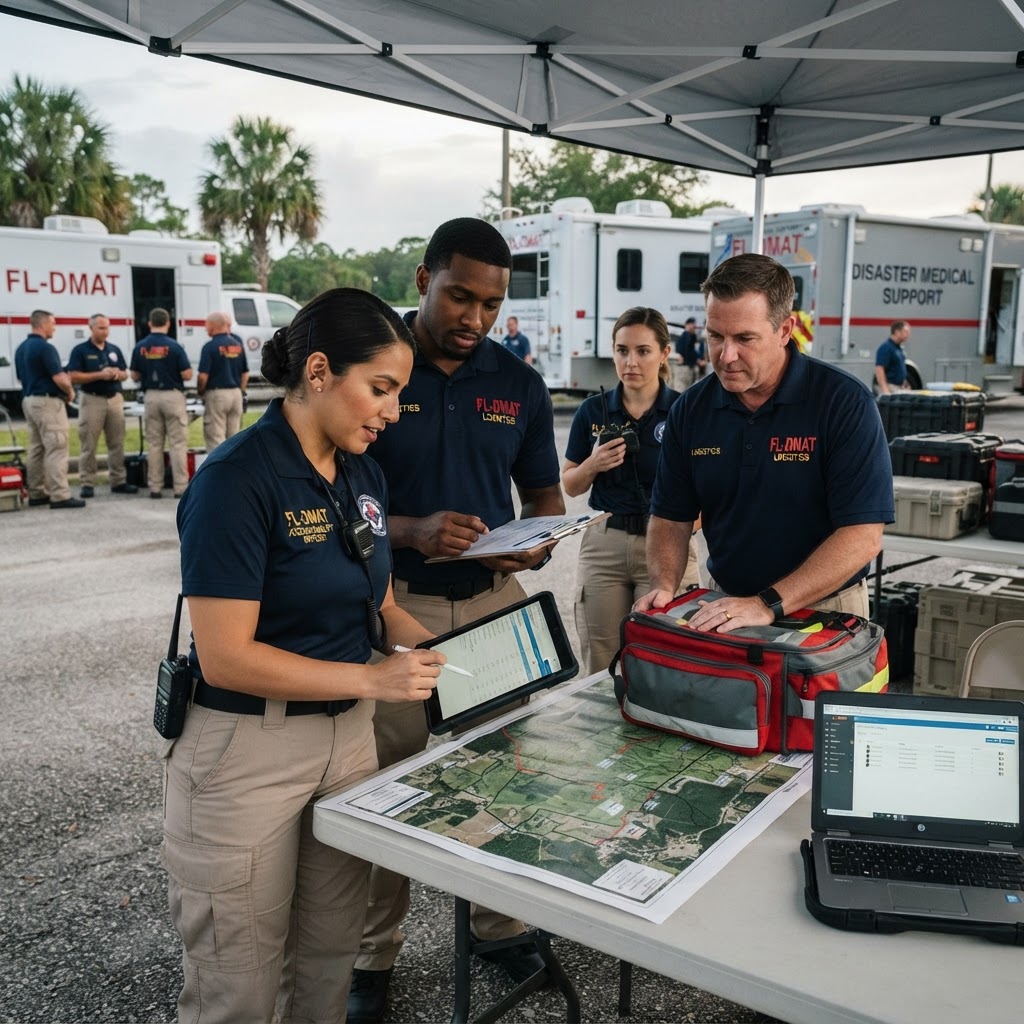
In the chaotic environment of a large-scale emergency, the ability to maintain clear, constant accountability of all personnel is not just a procedural requirement; it is a fundamental pillar of responder safety. Whether working in the aftermath of a severe weather event or supporting a complex multi-agency operation, the safety of every EMT, paramedic, and volunteer depends on a robust system that tracks who is on-site and what their status is at any given moment.
The Psychology of Accountability
Accountability transcends mere paperwork. It is a mindset that starts with the individual and extends to the team lead. In high-stress environments, it is easy to become hyper-focused on the patient or the immediate task at hand. However, the most effective responders are those who remain tethered to their team. This situational awareness ensures that if a scene changes rapidly—which is common in Florida's dynamic disaster landscape—no responder is left isolated or unaccounted for.
Systems of Tracking and Reporting
Florida disaster response utilizes standardized systems to manage personnel flow. Familiarity with the Incident Command System (ICS) is the first step toward effective accountability. Whether you are using a paper check-in system, a digital personnel accountability report (PAR) process, or physical tracking tags, the consistency of your reporting habits is vital. A PAR check is not a nuisance; it is a vital heartbeat for the team, confirming that every member is safe and ready for the next assignment.
Communication as a Safety Net
Radio discipline and clear, concise communication are the essential threads that hold accountability together. When a team leader calls for a status report, brevity and clarity are paramount. Accountability failures often stem from "information silos" where one unit is unaware of another unit's movement. By keeping the chain of command informed about task completion, medical status, and location changes, you build a safety net that protects the entire squad.
Training for Real-World Scenarios
Accountability must be practiced during drills so that it becomes second nature during an actual activation. By treating every training exercise with the same level of discipline required for a real deployment, responders build the muscle memory needed to track team members naturally. In the field, this means confirming your partner's location before you step away to assist another team or transition to a new sector.
Practical Takeaways
- Always report your location and status clearly to your supervisor during any phase of a deployment.
- Practice the PAR (Personnel Accountability Report) process during drills to ensure it is intuitive.
- Maintain constant visual or verbal contact with your assigned team members.
- Be proactive in reporting any scene hazards that might affect the team's ability to stay grouped.
- Ensure your personal identification and required documentation are always visible and ready for inspection at check-in points.
Why This Matters to ERF
At Emergency Responders of Florida, we pride ourselves on being a disciplined, professional team. Our ability to integrate into larger emergency operations relies on our reputation for safety and reliability. By mastering accountability, our members ensure that the agency remains a trusted partner to state and local officials, ultimately allowing us to focus on our mission of providing high-quality care when it is needed most.
Stand Ready With ERF
Florida EMTs and Paramedics can submit a Disaster Reserve interest form to be considered for activation during major emergencies, with no regular hourly requirement.
ERF is not a 911 service. In an emergency, call 911.