A reliable vehicle is your primary lifeline during a Florida evacuation. Learn how to maintain your car so it is ready to perform when minutes count.
Living in Florida means being prepared for sudden changes in weather, and sometimes, those changes necessitate an evacuation. Whether you are navigating seasonal storms or other localized emergencies, your vehicle is often the most critical tool in your disaster readiness arsenal. Ensuring that your car is roadworthy before a crisis arises can significantly reduce stress and ensure your family reaches safety efficiently.
Establishing a Maintenance Routine
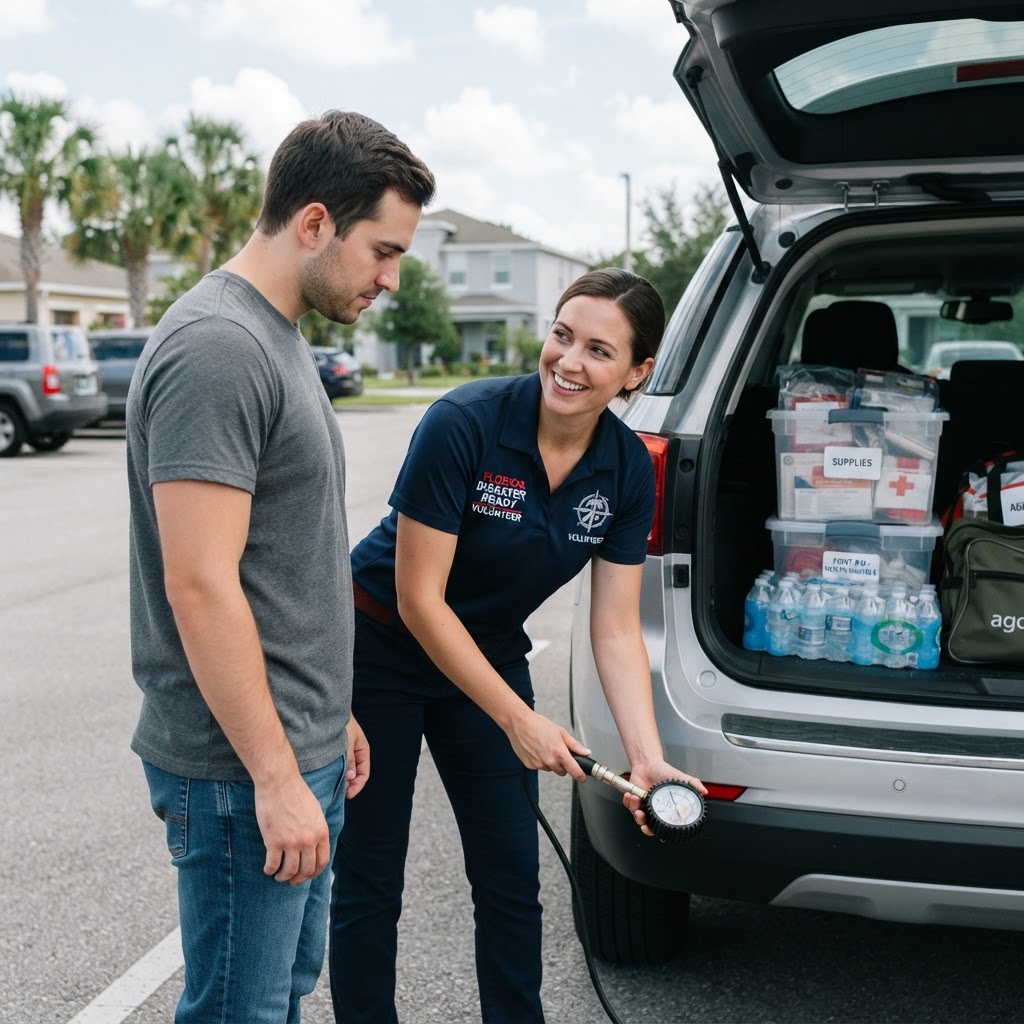
Routine maintenance is the backbone of vehicle reliability. It is tempting to skip oil changes or ignore that dashboard warning light, but these small issues often escalate under the stress of heavy traffic and extreme Florida heat. Ensure your tires are properly inflated and have adequate tread depth for heavy rain. Check your battery health, as high temperatures often shorten a battery's lifespan. Having a trusted mechanic review your belts, hoses, and brake system at the start of each season can prevent a mechanical failure at the worst possible moment.
The Essential Evacuation Kit
Your vehicle should act as a mobile emergency supply hub. Beyond standard safety gear like a jack and spare tire, stock your car with items specific to an evacuation scenario. Keep a physical road atlas in the glove box, as GPS and cellular service can become unreliable during disasters. Pack a "go-bag" that includes non-perishable food, at least one gallon of water per person per day, a portable power bank for phones, and basic first-aid supplies. Because Florida traffic can be unpredictable, keep a small stash of blankets, flashlights with extra batteries, and a basic tool kit on hand.
Managing Fuel and Fluid Levels
During an evacuation event, fuel stations may face long lines, power outages, or supply shortages. As a rule of thumb, never let your fuel gauge drop below half a tank during the peak of storm season. This practice ensures you are not scrambling for gas when everyone else is, and it provides enough range to reach inland locations or designated shelters without unnecessary stops. Additionally, keep your wiper fluid reservoirs full, as visibility can diminish rapidly during Florida's intense downpours.
Planning for Passenger and Pet Comfort
An evacuation is rarely a quick trip. If you are traveling with children or pets, your vehicle readiness plan must include their specific needs. Prepare a dedicated bag for your pets, including their vaccination records, carriers, extra leashes, and enough food and water for several days. For children, pack comfort items to help manage the stress of potential traffic congestion. A calm environment within the vehicle helps the driver maintain focus, which is essential for navigating challenging road conditions safely.
Practical Takeaways
- Keep your fuel tank at least half-full throughout the duration of Florida's peak storm season.
- Schedule a professional mechanical inspection for your vehicle every six months to identify potential issues early.
- Store a physical paper map and a comprehensive emergency kit, including water and mobile power chargers, in your trunk.
- Maintain a dedicated "go-bag" for pets and children to ensure their needs are met during long transit times.
- Check tire pressure and tread health regularly, as hot pavement and heavy rain pose specific risks to Florida drivers.
Why This Matters to ERF
As a Licensed ALS EMS Agency, Emergency Responders of Florida (ERF) witnesses the challenges of evacuation firsthand. When residents proactively maintain their vehicles, it helps keep roadways clear for emergency vehicles and ensures families reach safety without needing additional rescue assistance. By staying prepared, you contribute to a more resilient community, allowing our teams to focus on critical life-saving operations during major incidents.
Stand Ready With ERF
Florida EMTs and Paramedics can submit a Disaster Reserve interest form to be considered for activation during major emergencies, with no regular hourly requirement.
ERF is not a 911 service. In an emergency, call 911.