Florida's unique landscape requires year-round attention to water management and flood safety. Learn how to protect your home and family before the water rises.
Living in Florida means embracing a beautiful, water-rich environment, but it also necessitates a realistic approach to flood safety. Whether you live near the coast or in an inland community, heavy rainfall and rising water levels can impact any property. At Emergency Responders of Florida, we have witnessed how simple, proactive steps taken by homeowners long before a storm arrives can significantly reduce property damage and, more importantly, ensure the safety of your family. Flood preparedness is not about fearing the weather; it is about building the resilience required to thrive in our state.
Understanding Your Local Flood Risk
The first step in preparedness is knowledge. Every neighborhood has a unique risk profile based on elevation, proximity to drainage systems, and local topography. Residents should visit the FEMA Flood Map Service Center to view official maps for their specific address. Understanding whether your home is located in a high-risk zone allows you to make informed decisions about property modifications, insurance coverage, and evacuation routes. Remember, floods can happen outside of designated high-risk zones, so it is always wise to maintain an awareness of local water management infrastructure near your home.
Property Hardening and Maintenance
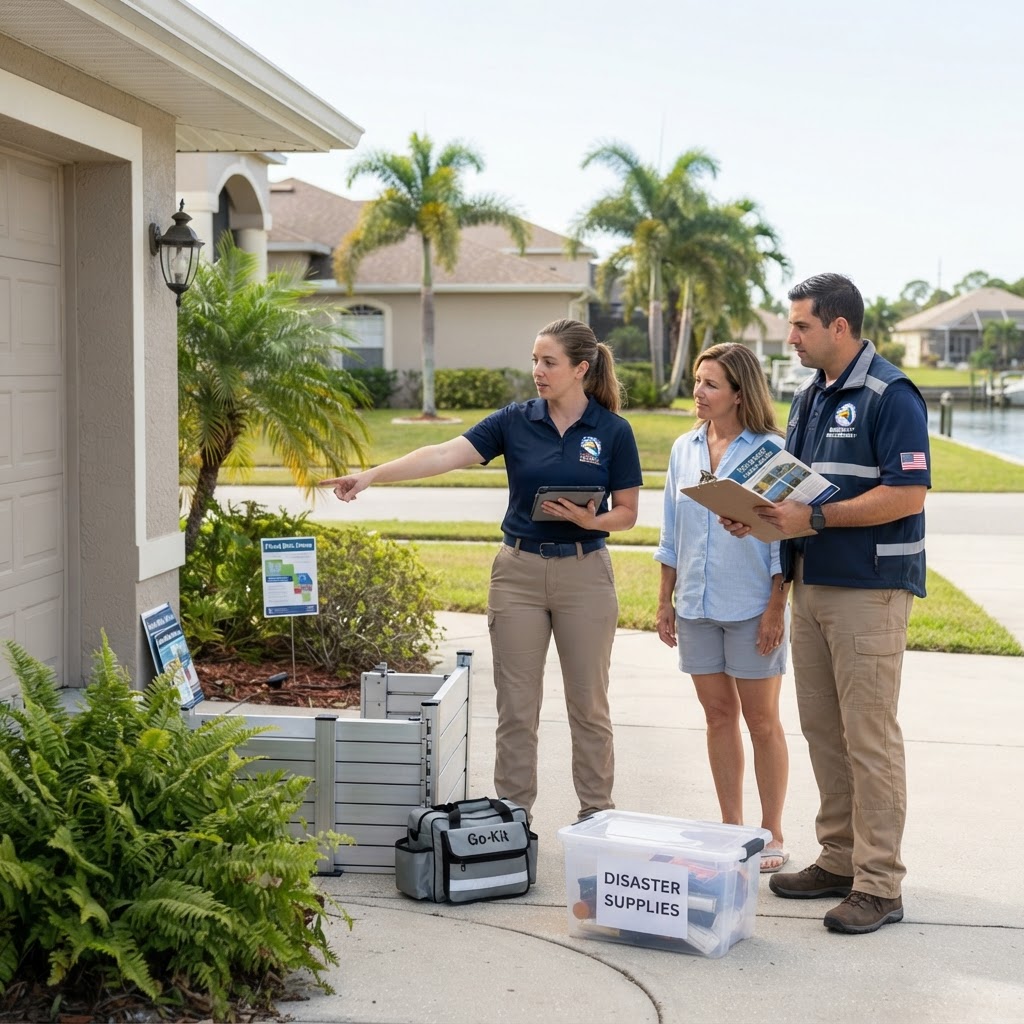
Managing water on your property is a continuous process. Regularly clearing rain gutters, downspouts, and nearby storm drains is one of the most effective ways to prevent localized flooding during heavy afternoon thunderstorms or tropical events. If your home has flood vents, ensure they are free of debris and functioning correctly. For those in low-lying areas, consider elevating critical utilities like HVAC units, water heaters, and electrical panels. These small physical adjustments can prevent significant long-term damage and keep your essential home systems protected when water levels rise.
Securing Important Documents and Assets
When an emergency occurs, focus should remain on personal safety rather than gathering belongings. Digitizing your essential documents—such as insurance policies, medical records, deeds, and identification—is a critical preparedness step. Keep these files in a secure, encrypted cloud storage service that you can access from anywhere. For physical items that cannot be moved, consider storing them on higher shelves or in watertight, flood-resistant containers. By organizing these assets during calm weather, you remove a major source of stress during an active emergency.
Developing a Household Evacuation Strategy
Never wait for an official order to understand your exit strategy. Know the primary and secondary routes out of your neighborhood that are least prone to flooding. In Florida, many low-lying roads can become impassable quickly, even if the main thoroughfares remain open. Discuss your plan with every member of your family so that everyone knows exactly where to meet and which route to take if local authorities recommend relocation. Having a 'go-bag' packed with essential supplies like medications, water, non-perishable food, and phone chargers ensures that you are ready to depart immediately if conditions deteriorate.
Practical Takeaways
- Check your property's flood risk level using official FEMA maps.
- Clear your gutters and storm drains regularly to ensure proper water flow.
- Create a digital vault for important documents to access from any location.
- Identify at least two flood-resistant routes out of your immediate neighborhood.
- Keep your 'go-bag' updated with essential medications and contact information.
Why This Matters to ERF
Emergency Responders of Florida is dedicated to supporting the health and safety of our neighbors. By taking the time to prepare your home for flooding, you are directly assisting the work of first responders. Prepared communities allow our medical and emergency teams to focus resources on the most critical situations, ensuring that help can reach those who need it most during a disaster.
Stand Ready With ERF
Florida EMTs and Paramedics can submit a Disaster Reserve interest form to be considered for activation during major emergencies, with no regular hourly requirement.
ERF is not a 911 service. In an emergency, call 911.