Discover how mutual aid agreements between organizations and local agencies create a more resilient Florida during large-scale emergencies.
When a major emergency impacts a Florida community, the sheer scale of the situation often exceeds the resources of any single agency. Whether it is a hurricane, flood, or another large-scale event, the resilience of our state relies heavily on the concept of mutual aid. At Emergency Responders of Florida (ERF), we believe that collaboration is the cornerstone of effective disaster response. By working together, we ensure that resources are directed where they are needed most, helping to maintain community stability during challenging times.
Understanding the Mutual Aid Framework
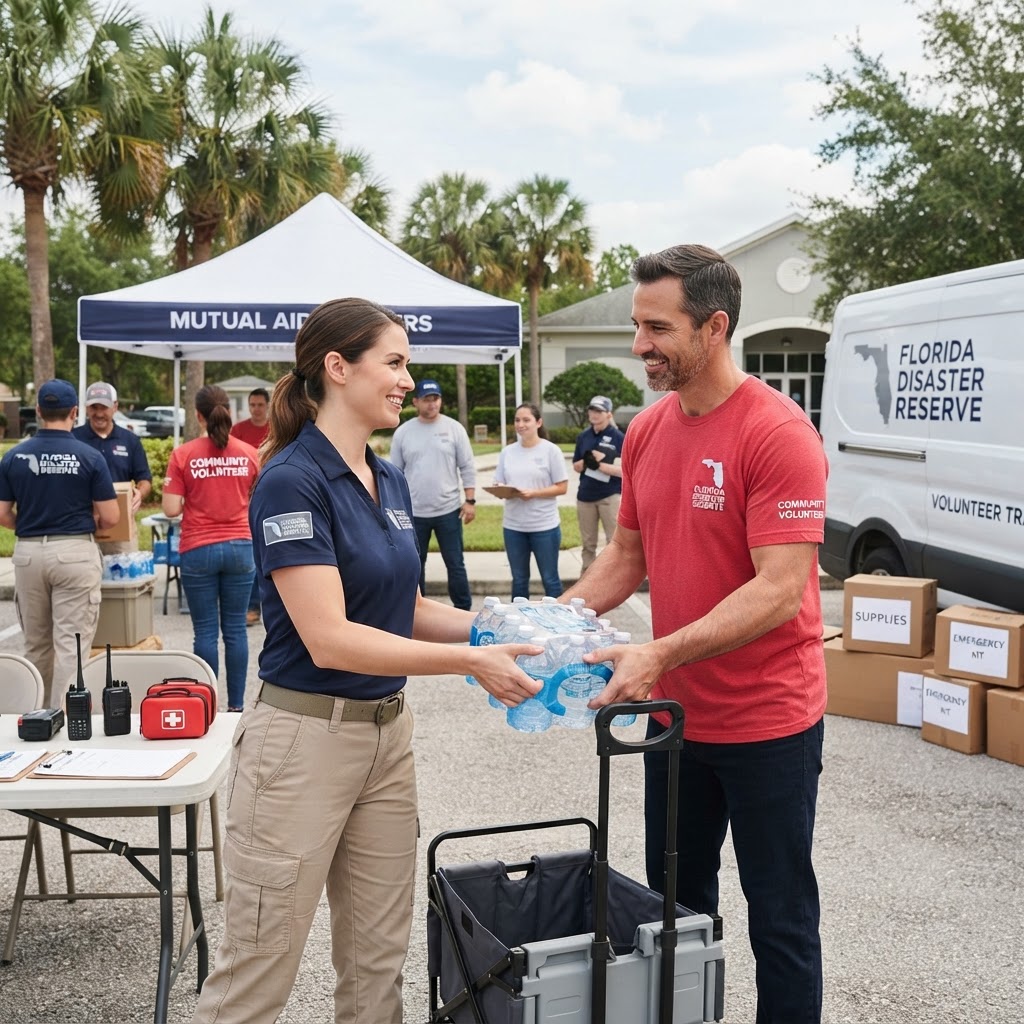
Mutual aid is essentially a voluntary agreement between agencies to share resources, personnel, and equipment. In the context of Florida emergency preparedness, this means that if a local EMS system becomes overwhelmed, other specialized units or volunteer agencies can step in to provide support. These agreements are not just about showing up; they are built on pre-established protocols and shared training standards. This ensures that when different teams integrate, they speak the same language and operate under a unified structure, minimizing confusion and maximizing effectiveness.
Creating a Unified Response Strategy
A primary benefit of mutual aid is the ability to maintain a 'force multiplier' effect. When professional agencies and volunteer organizations like ERF coordinate through mutual aid, the response becomes more predictable and organized. By aligning our capabilities with the needs of local jurisdictions, we help fill gaps in service. This level of cooperation is essential in a state as diverse as Florida, where rural regions and metropolitan areas may both find themselves in need of significant support during a disaster.
Enhancing Community Resilience Through Collaboration
The goal of any mutual aid effort is to restore normalcy as quickly as possible. When responders from various backgrounds come together, they bring unique skills and perspectives to the table. For volunteer EMS professionals, participating in mutual aid is a way to serve the broader community while leaning on the institutional knowledge of local leadership. This synergy fosters a culture of preparedness, proving that when we coordinate our efforts, our communities are better positioned to weather the storms that come our way.
Practical Takeaways:
- Familiarize yourself with the concept of NIMS and ICS, as these frameworks serve as the foundation for all mutual aid communications.
- Understand that mutual aid is a tiered system; resources are requested formally and integrated into existing command structures.
- Recognize that interoperability in equipment and communication is just as important as the willingness to help.
- Maintain your credentials and training so that you remain 'deployment-ready' should a request for assistance arrive.
Why This Matters to ERF
ERF is committed to being a reliable resource for Florida. By focusing on mutual aid, we ensure that our volunteers are integrated into the larger state response effort. Our mission is to support our local partners, providing a flexible pool of qualified EMTs and Paramedics who can step in when the demand for pre-hospital care surges beyond local capacity. By preparing for these moments, we ensure that Florida communities remain protected.
Stand Ready With ERF
Florida EMTs and Paramedics can submit a Disaster Reserve interest form to be considered for activation during major emergencies, with no regular hourly requirement.
ERF is not a 911 service. In an emergency, call 911.