Discover how mutual aid agreements bridge the gap during major disasters, ensuring Florida communities receive the support they need when it matters most.
In the complex environment of Florida emergency management, no single agency can handle every challenge alone. From hurricane-related flooding to large-scale infrastructure disruptions, the scale of disasters in our state frequently necessitates a multi-agency approach. Mutual aid stands as a foundational principle of emergency response, allowing organizations to share resources, personnel, and expertise to ensure continuous service delivery to the public.
The Philosophy of Shared Capability
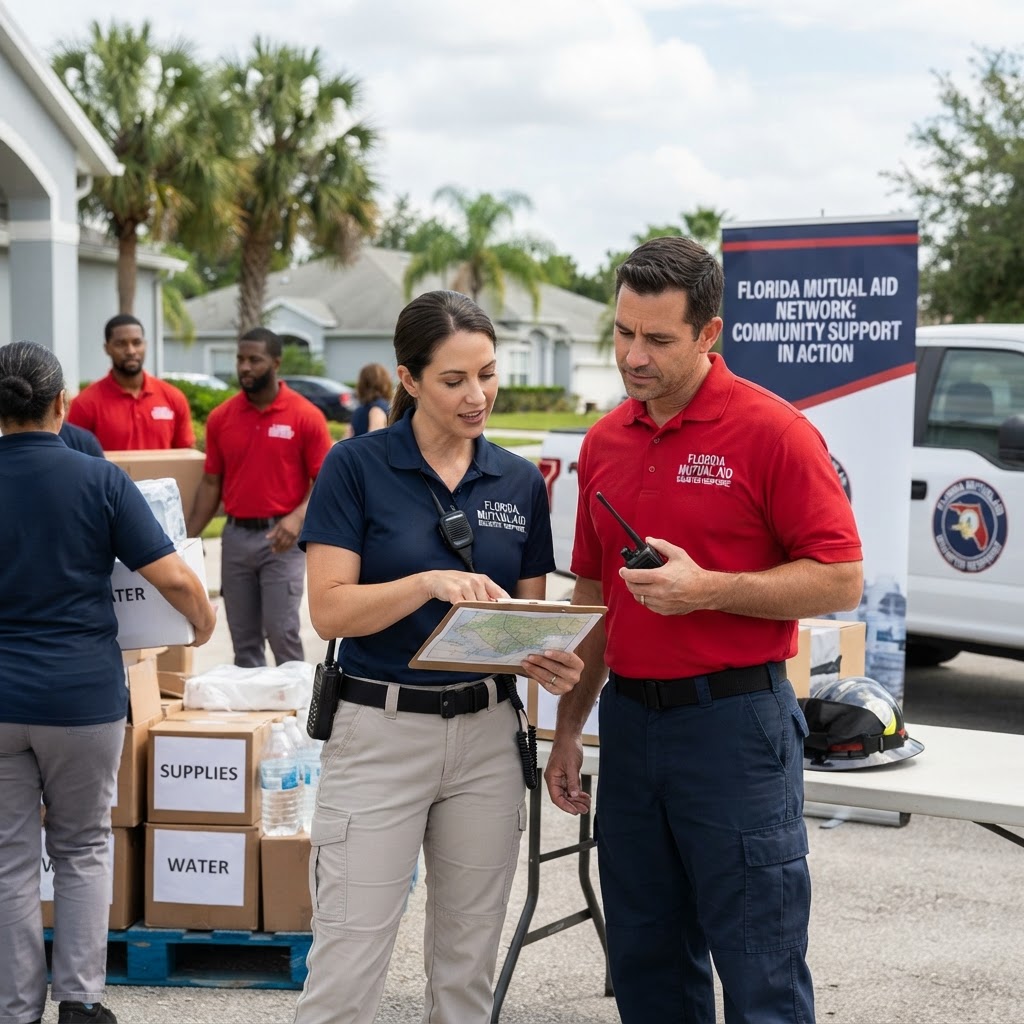
Mutual aid is built on the premise that resources are finite and needs are unpredictable. By establishing formal agreements before an emergency occurs, agencies can seamlessly request and provide support. This framework ensures that a local EMS agency in one region can receive reinforcements from volunteer assets like ERF when local resources become overwhelmed. It transforms a collection of individual agencies into a unified front capable of managing large-scale, complex, or protracted incidents.
Efficiency Through Coordination
One of the primary benefits of mutual aid is the ability to maintain a baseline of public safety coverage during periods of extreme strain. When a county is dealing with high call volumes due to a disaster, the influx of qualified personnel through mutual aid allows local responders to rotate, hydrate, and maintain operational health. This coordination prevents burnout and ensures that critical lifesaving services are not interrupted. ERF prides itself on being a flexible partner in these arrangements, providing credentialed EMTs and Paramedics to fill vital gaps where they are most needed.
Strengthening Community Resilience
Mutual aid does more than just move personnel; it builds trust and interoperability across the state. When agencies train and respond together under these agreements, they learn each other's strengths and operational styles. This familiarity is invaluable when high-stress situations arise. By fostering a culture of cooperation rather than isolation, mutual aid strengthens the overall resilience of Florida communities, ensuring that help is always on the way, even when local resources are at their limit.
Practical Takeaways
- Understand that mutual aid is a formal, organized system of resource sharing that requires prior agreements and coordination.
- Recognize that interoperability training is essential for agencies to work together effectively during real-world deployments.
- Support local initiatives that foster partnerships between career agencies and volunteer assets to broaden the available response net.
- Maintain your credentials and readiness so that you can be a valuable asset when called upon to assist under these frameworks.
Why This Matters to ERF
ERF operates as a licensed ALS EMS agency dedicated to serving Florida, and our participation in the mutual aid landscape is a cornerstone of our mission. We provide a bridge for highly skilled EMTs and Paramedics who want to serve their community during disasters but cannot commit to traditional, full-time shifts. By integrating our Disaster Reserve into the broader mutual aid network, we extend the reach and sustainability of the Florida emergency response system, ensuring that we show up for our neighbors when they need us most.
Stand Ready With ERF
Florida EMTs and Paramedics can submit a Disaster Reserve interest form to be considered for activation during major emergencies, with no regular hourly requirement.
ERF is not a 911 service. In an emergency, call 911.