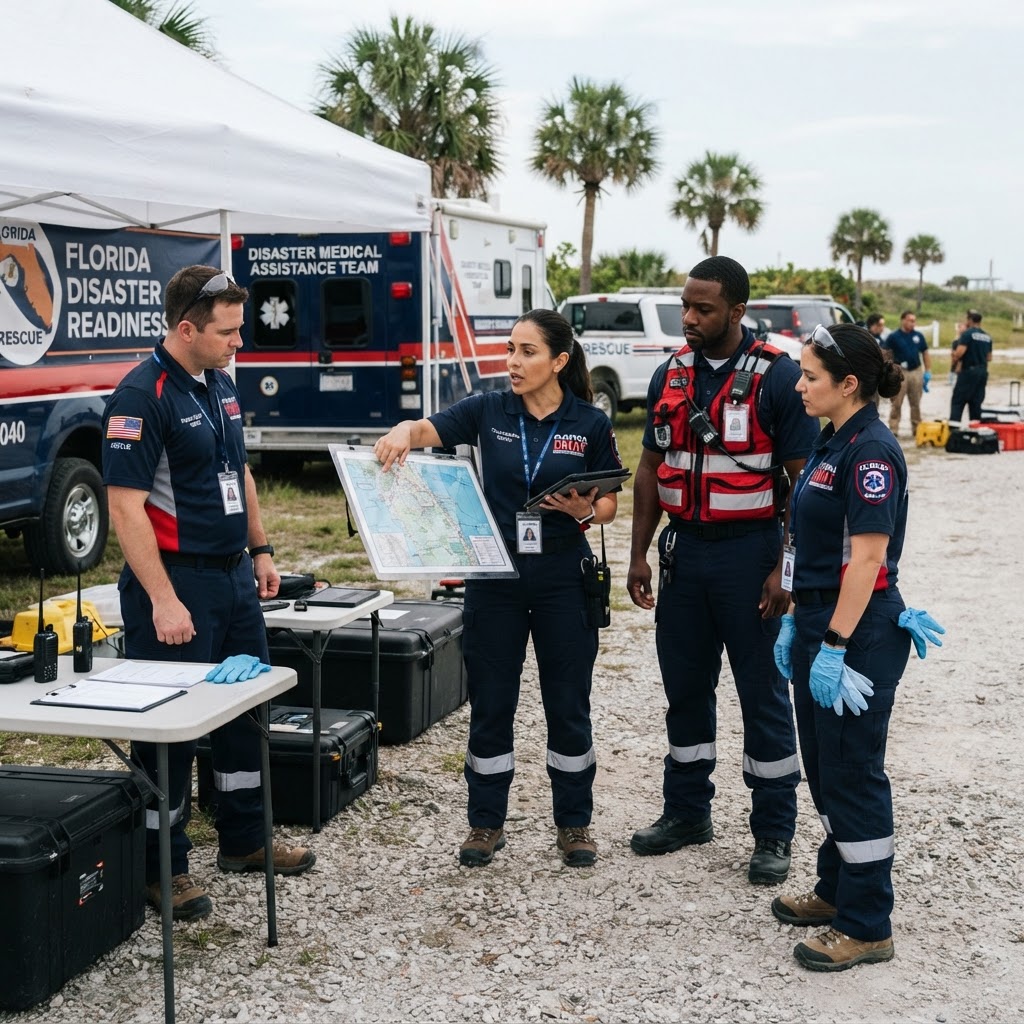
In the critical moments of a disaster, knowing where everyone is and what they are doing isn't just good practice—it's essential for safety and operational success. Learn why accountability is paramount for Florida responders.
When disaster strikes Florida, the response often involves coordinated efforts from multiple agencies and volunteer organizations. At the forefront of these operations, especially during large-scale deployments, is the principle of team accountability. This isn't just about tracking personnel; it's a fundamental aspect of operational safety, efficiency, and the overall success of any emergency response mission. For responders, whether you're an experienced EMT, a seasoned paramedic, or considering joining the Disaster Reserve, understanding and implementing robust accountability measures is crucial.
The 'Why' Behind Accountability
At its core, team accountability ensures that every member involved in a deployment is accounted for at all times. This includes knowing their location, their assignment, and their status (e.g., operational, on break, injured, or returning to base). In the chaotic environment of a disaster, such as during hurricane recovery or large-scale flooding, this information is vital. It prevents duplication of efforts, identifies gaps in coverage, and most importantly, allows for swift action if a responder becomes lost, injured, or separated from their team. For organizations like ERF, committed to serving Florida communities, ensuring the safety of our own responders is as critical as assisting those in need.
Establishing Clear Chains of Command
A well-defined chain of command is the bedrock of accountability. During a deployment, every responder must understand who their immediate supervisor is and who they report to. This clear structure ensures that information flows efficiently up and down the operational hierarchy. Without it, communication can break down, assignments can become confused, and critical updates might not reach the right people. For ERF members and Disaster Reserve prospects, familiarizing yourself with these principles is a key part of readiness.
Tools and Techniques for Tracking
Various methods are employed to maintain accountability. These can range from simple sign-in/sign-out sheets at command posts and designated meeting points to more sophisticated tracking systems that might utilize GPS technology or digital check-in applications. During deployments, regular check-ins are scheduled, and established procedures are followed for reporting personnel movement. Understanding these tools and procedures empowers every team member to actively participate in maintaining accountability, not just passively await checks.
Accountability Beyond the Scene
Team accountability extends beyond the immediate incident scene. It includes tracking personnel during transit to and from deployment sites, during rest periods, and upon return to base. This comprehensive approach ensures that the well-being of responders is prioritized throughout the entire mission lifecycle. For Florida's dedicated volunteers, extended deployments can be physically and emotionally demanding. Knowing that your team is looking out for your whereabouts and status provides a critical layer of support.
A Culture of Responsibility
Ultimately, accountability is more than just a set of procedures; it's a cultural component of any high-performing emergency response team. It fosters a sense of shared responsibility among all members. Each individual has a role to play in reporting their status and ensuring they adhere to established protocols. This mutual trust and responsibility are what allow teams to operate effectively and safely, even under the most challenging circumstances that Florida might face.
Practical Takeaways
- Always know your immediate supervisor and reporting structure.
- Understand and follow all check-in and check-out procedures.
- Report any changes in your status or location promptly.
- Be aware of your team members' general locations and assignments when possible.
- Familiarize yourself with any tracking tools or systems used by your organization.
Why This Matters to ERF
At Emergency Responders of Florida, we are built on a foundation of trust, professionalism, and a commitment to serving our communities safely and effectively. Robust team accountability ensures that we can deploy our skilled volunteers and Disaster Reserve members efficiently and, most importantly, bring everyone home safely after their service. It's a core principle that underpins our readiness and our ability to respond when Florida needs us most.
Stand Ready With ERF
Florida EMTs and Paramedics can submit a Disaster Reserve interest form to be considered for activation during major emergencies, with no regular hourly requirement.
ERF is not a 911 service. In an emergency, call 911.