Prepare your vehicle for a safe and efficient evacuation during emergencies. Discover essential tips for Florida residents.
In Florida, the threat of emergencies such as hurricanes, floods, and wildfires can necessitate quick evacuations. Preparing your vehicle for such an event is a necessary step in ensuring your safety and the safety of your loved ones. By taking the time to equip your vehicle properly, you can increase your chances of a smooth evacuation when it matters most.
1. Maintain Your Vehicle
Regular maintenance is crucial for ensuring your vehicle can handle long drives, especially during an evacuation when traffic delays are common.
- Check Fluids: Regularly check oil, coolant, and brake fluids to ensure they are at appropriate levels.
- Battery Health: Ensure your battery is in good condition; replace it if it shows signs of weakness.
- Tires: Rotate tires, check the air pressure, and have tread depth assessed to prevent blowouts.
2. Emergency Supplies
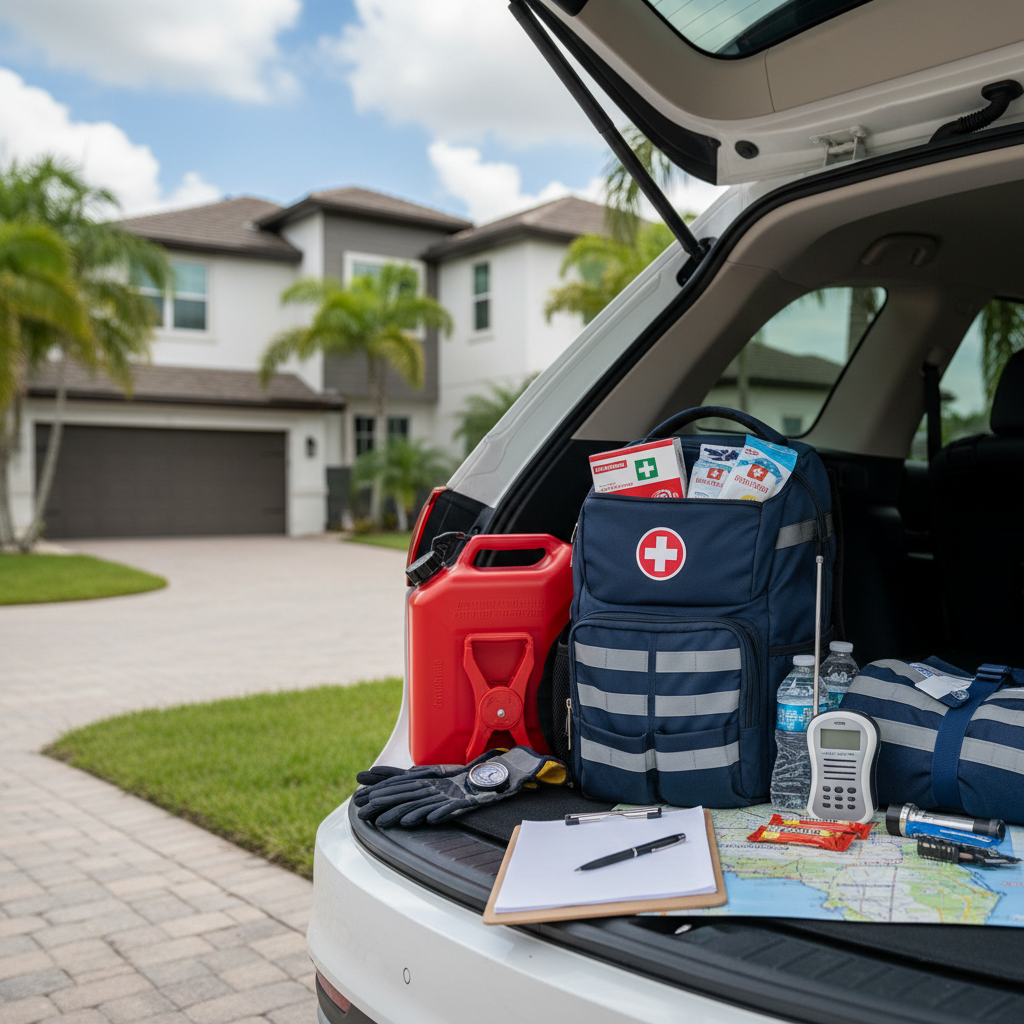
An emergency kit in your vehicle can save lives. In addition to a home emergency kit, ensure your vehicle has these essentials:
- First Aid Kit: Include bandages, antiseptic, and any personal medications.
- Water and Snacks: Store bottled water and non-perishable snacks to sustain you and your passengers.
- Flashlight and Batteries: Equip your vehicle with a flashlight for visibility during power outages.
3. Fuel Preparedness
During emergencies, gas stations can quickly run out of fuel due to high demand. To avoid getting stuck:
- Fill Up Ahead of Time: Keep your tank at least three-quarters full during hurricane season to be prepared for sudden evacuations.
- Fuel Additives: Consider using fuel stabilizers to keep gas fresh longer in case of extended evacuations.
4. Navigation and Communication
Finding the best route out of an emergency zone can be challenging, especially during a mass evacuation.
- GPS and Maps: Keep both a reliable GPS and physical maps in your vehicle. Sometimes, technology can fail, leaving you without guidance.
- Chargers: Ensure your phone is charged, and keep portable chargers handy to stay connected.
5. Planning Ahead
Knowing where to go during an evacuation is just as important as the readiness of your vehicle.
- Evacuation Routes: Familiarize yourself with local emergency evacuation routes well before a storm is on the horizon.
- Establish Destinations: Identify safe locations to head towards, such as friends or family outside of the risk area, or designated shelters.
Practical Takeaways
- Maintain your vehicle with regular checks and repairs.
- Equip your vehicle with an emergency kit, including a first aid kit and food supplies.
- Keep your fuel tank at least three-quarters full during emergency seasons.
- Familiarize yourself with evacuation routes and practice communication plans.
Why This Matters to ERF
At Emergency Responders of Florida, we believe that community preparedness is essential for enhancing safety during emergencies. Encouraging residents to maintain their vehicles and develop evacuation plans aligns with our mission to empower communities in disaster readiness.
Stand Ready With ERF
Florida EMTs and Paramedics can submit a Disaster Reserve interest form to be considered for activation during major emergencies, with no regular hourly requirement.
ERF is not a 911 service. In an emergency, call 911.